Tips
Cladding for Hot Tubs: How to Choose the Right Wood and What to Avoid
A hot tub is often more than just a functional element in the outdoor space. It becomes part of the overall design, which is why the choice of cladding matters just as much as the construction itself. The challenge is that hot tubs are constantly exposed to moisture, temperature changes and outdoor conditions. Because of this, not every material performs well in the long run.
Wood used in this type of application must handle direct contact with moisture while maintaining its shape and appearance. If you are considering thermally treated outdoor cladding, it is worth understanding why it is often chosen for such demanding environments.
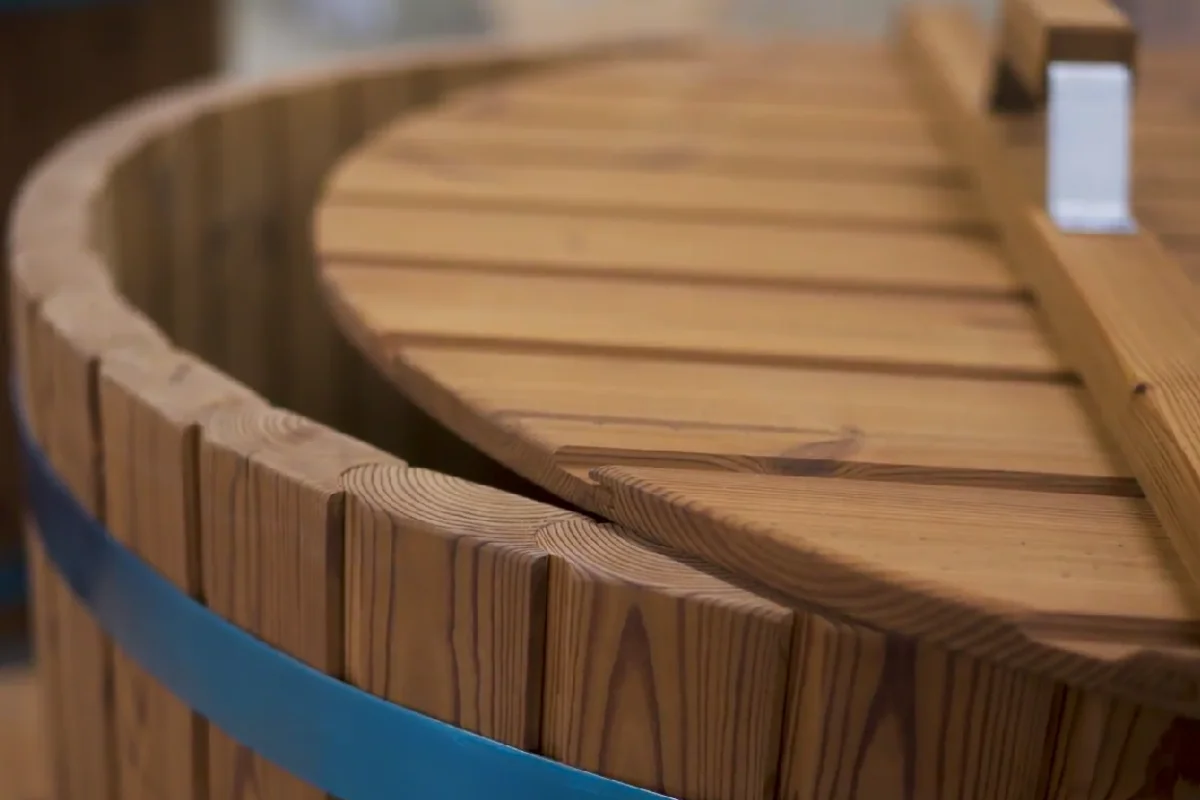
Why the right wood matters for hot tub cladding
A hot tub creates a very specific environment for materials. Unlike façade cladding, the wood is exposed not only to rain and humidity but also to constant contact with water and rapid temperature changes. These conditions can quickly reveal the weaknesses of unsuitable materials.
Wood that is not properly selected may start to warp, crack or lose its visual quality much sooner than expected. Stability is therefore the key factor. The material should react as little as possible to moisture changes and maintain its form over time.
Why thermally treated wood is often the preferred choice
Thermally treated wood has reduced moisture absorption, which makes it more stable in changing conditions. This helps the cladding maintain its shape and reduces the risk of deformation. For hot tub applications, this stability becomes especially important, as the material is under constant environmental stress.
Using thermally treated outdoor cladding allows the surface to remain more consistent over time. It also helps avoid visible gaps or distortions that can appear when the wood reacts too strongly to moisture.
In addition to performance, thermally treated wood retains a natural look that blends well with outdoor surroundings. This makes it a practical and visually balanced choice for hot tub cladding.
What to look for when choosing cladding
When selecting wood for a hot tub, density and quality of processing should be considered. Denser wood tends to perform better in demanding conditions and offers longer service life.
Surface quality is equally important. Well-processed boards are more resistant to environmental impact and maintain their shape more effectively. Even high-quality wood will not perform as expected if it is poorly prepared or incorrectly installed.
What to avoid
One of the most common mistakes is choosing untreated or low-quality wood based on price alone. While this may seem cost-effective at first, it often leads to faster wear, deformation and visible ageing.
Improper installation is another issue. If cladding is installed without allowing space for airflow or natural movement, moisture can accumulate and reduce the lifespan of the material. This is particularly important in structures that are constantly exposed to water.
Durability and maintenance
Properly selected thermally treated outdoor cladding can last for many years, even in challenging conditions. Durability depends not only on the material itself but also on how it is used and installed.
Over time, wood may change its colour due to sunlight exposure, which is a natural process and does not affect performance. If maintaining the original tone is important, the surface can be treated with suitable protective products.
What to consider before making your choice
When planning hot tub cladding, it is important to think beyond the initial appearance. Consider how the material will behave over time and how it will respond to moisture and temperature changes.
Thermally treated wood offers a reliable balance between durability and natural aesthetics, making it a strong choice for demanding outdoor applications.
If you are planning a hot tub project and want to choose cladding that performs well over time, the ESSPO Wood team can help you select the most suitable solution based on your environment, design and expected use.