Tips
Interior Wood Ceiling Panels: How to Choose the Best Option?
Wood ceiling panels are one of the most versatile interior finishing solutions, giving ceilings a neat, aesthetic, and cosy look. They are chosen for both residential and commercial spaces, where both visual appearance and practicality are important. Ceiling panels help to hide uneven surfaces, small cracks, or technical elements, while contributing to the overall integrity of the interior. Let’s take a closer look.
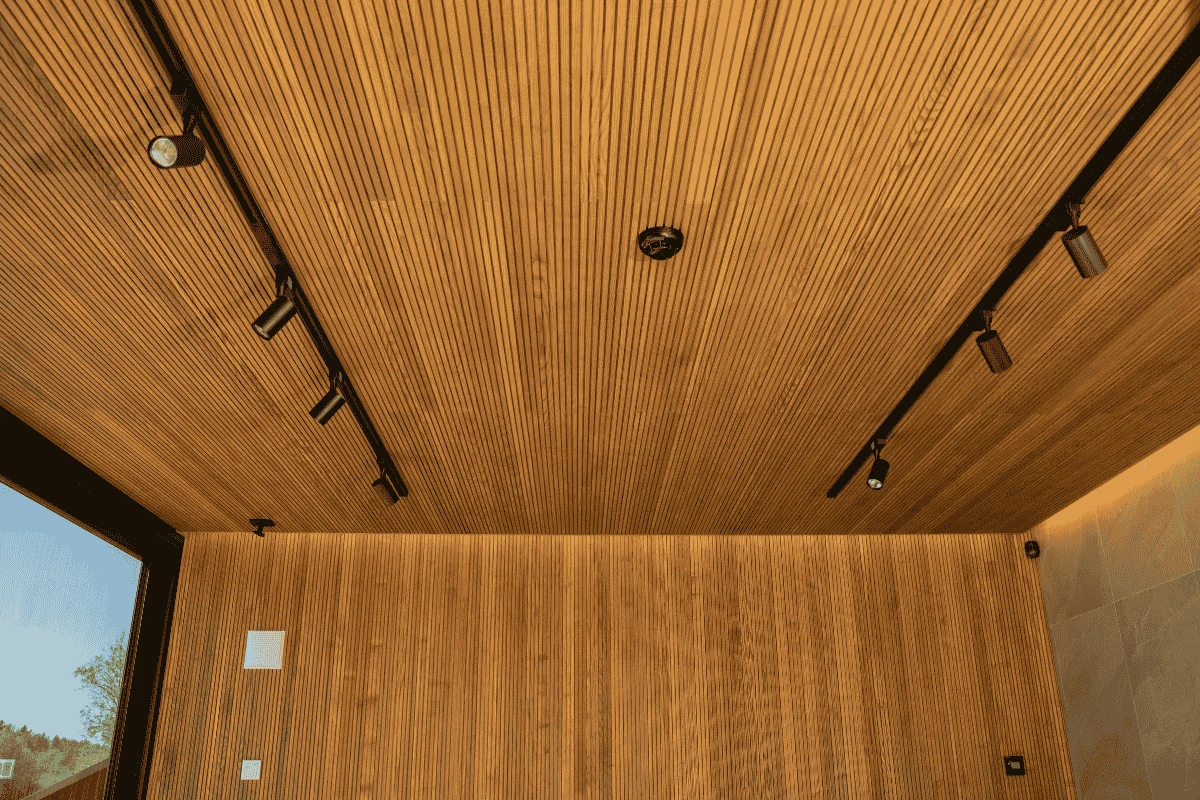
Wood Ceiling Panels as Part of the Interior
Wood ceiling panels serve not only a practical but also an aesthetic function in interior design. They help to create visual unity by connecting the ceiling with other interior elements and giving the space more character. Properly selected ceiling panels can serve as a subtle accent or, conversely, blend harmoniously into the room’s overall design, neither standing out nor detracting from the overall look.
Ceiling panels shape the interior style through their texture, colour, and installation direction. The horizontal or vertical arrangement of panels can visually alter the room’s proportions, while the natural wood surface adds warmth. By combining ceiling panels with wall finishes, flooring, or lighting, you can achieve a consistent, thoughtful interior look in which all elements complement one another.
What Are Ceiling Panels Made From?
ESSPO Wood ceiling panels are made exclusively from thermally modified natural wood, which is valued for its dimensional stability, durability, and authentic appearance. Thermal modification is carried out at high temperatures without the use of chemical additives, making the wood less sensitive to moisture and temperature fluctuations and particularly suitable for indoor microclimate conditions.
One of the most popular choices is spruce, which is characterised by its light colour and subtle grain. Spruce ceiling panels are often selected for bright, minimalist, or Scandinavian-style interiors where a calm and airy atmosphere is desired.
Pine is appreciated for its more pronounced texture and warmer tone. Pine ceiling panels add cosiness and natural character to interior spaces, especially when a more expressive wood appearance is preferred.
Ash stands out for its higher density and distinctive grain pattern, making ash ceiling panels a premium solution that adds solidity and visual sophistication to interior design.
Natural thermally modified wood on ceilings creates an authentic and harmonious feeling, contributing to a balanced and well-composed interior space.
Wood Fibre and Wooden Panels: Main Differences
When choosing ceiling panels, the market may offer both wood fibre and natural wood solutions. It is important to note that ESSPO Wood specialises exclusively in natural thermo treated wood ceiling panels, and the comparison below is provided for general informational purposes only.
Wood fibre panels typically have a smoother surface and a uniform structure, giving them a clean and minimalist appearance. Due to their lighter construction, they are often easy to install, especially in spaces where minimising ceiling load is important.
Thermally modified wood ceiling panels stand out for their natural appearance, unique wood grain and long-term durability. They can be oiled, painted or otherwise finished to suit various interior styles, while maintaining the authentic character of natural wood. Thermally modified wood ensures stability over time, which is especially important for ceiling applications.
Can You Install Wooden Panels on Any Ceiling?
Ceiling panels can be attached to various ceiling bases – plaster, concrete, or wooden structures. The most important thing is to ensure the installation surface is solid and stable, as this determines the panels’ durability and aesthetic appearance. Before installation, it is recommended to properly prepare the base – assess its flatness, fastening points, and structural load. A sturdy, well-prepared ceiling structure allows for the smooth installation of the panels, ensuring they will serve for a long time while maintaining both functionality and aesthetic appeal.
Main Ways of Ceiling Panel Installation
Ceiling panels are mounted on profiles or wooden battens, providing a solid, stable base. Nails, hooks, or hidden fastening systems are used to fasten, providing a clean, aesthetic appearance without visible fastening elements. A properly selected installation method not only makes the work easier but also ensures the durability of the panels and an attractive ceiling appearance, contributing to the overall integrity of the interior.
How to Choose the Most Suitable Ceiling Panels?
When choosing ceiling panels, it is important to consider the room’s purpose – in a living room, you can choose more natural wood textures, while in commercial spaces, you can choose easier-to-maintain, smoother panel options. It is also worth considering the interior design style and the desired visual effect: light-colored ceiling panels visually enlarge the space, while darker ones add cosiness. Before making a decision, it is recommended to check the quality of the material, surface treatment, and installation options to ensure that the selected panelling ceiling will serve its purpose, both functionally and aesthetically, in the long term.
Ceiling Panels: Functionality and Aesthetics in One
Ceiling panels are a practical and aesthetic solution that help hide unevenness, add character to the space, and harmoniously complete the interior. Properly selected materials, colours, and installation methods ensure a long-lasting result that meets both functional and visual needs. If you want to choose the most suitable ceiling panels for your space or consult on installation options, please contact us – we will help you find the optimal solution for your interior.