Tips
Thermally Treated Wood and UV Protection: When Is Oiling Necessary?
When choosing wall cladding, it is often assumed that thermally treated wood requires no maintenance at all. This is partly true, but it is important to understand the difference between durability and surface appearance. Thermally treated wood remains stable and suitable for outdoor use without additional treatment, yet its surface will change over time. These changes are usually what raise questions when planning a façade.
The main factor behind this is sunlight. Ultraviolet radiation affects the surface of the wood and gradually alters its natural tone. Because of this, it is worth deciding early on whether you want to maintain the original colour or allow the material to age naturally.
If you are considering wall cladding, it is useful to think not only about how it looks today, but also how it will look after several years of exposure.
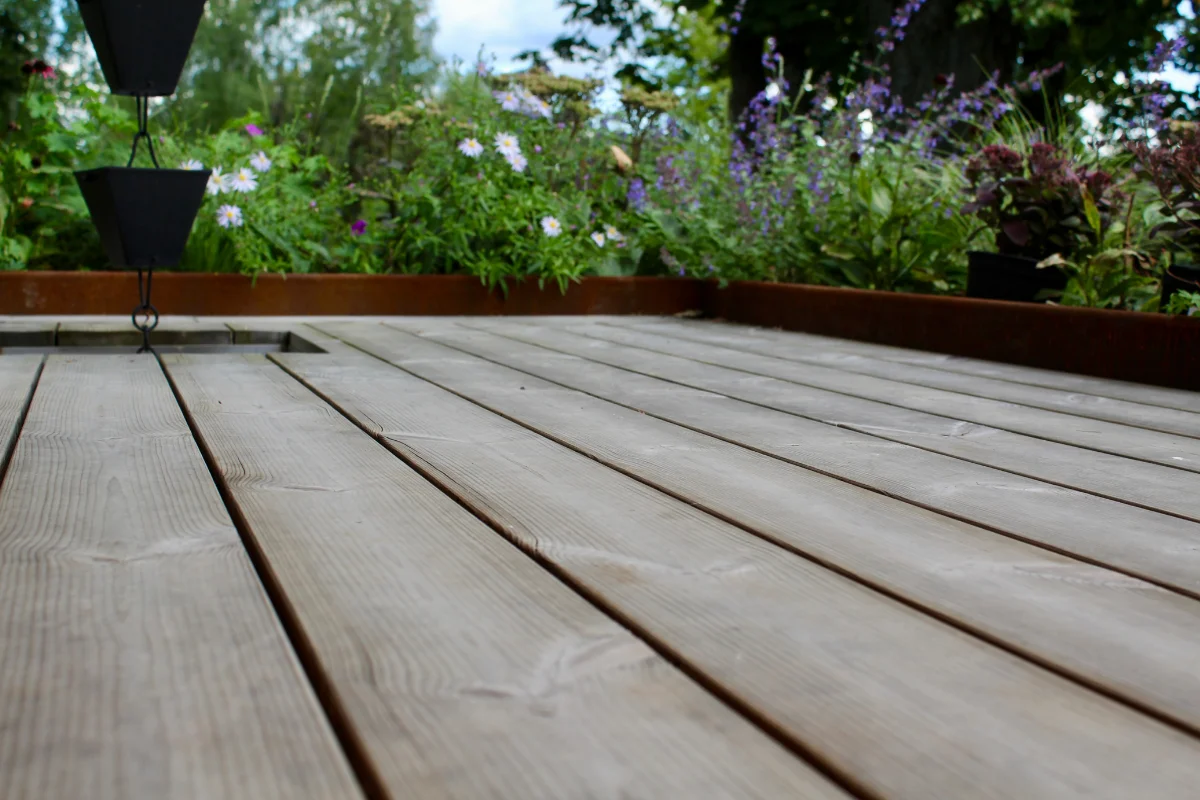
How UV affects thermally treated wood
Thermally treated wood is known for its stability and reduced sensitivity to moisture, but UV exposure still affects its surface. Over time, the original brown tone begins to fade and gradually turns into a silver grey shade. This process is completely natural and occurs with all exterior wood surfaces.
What matters most is that these changes are only superficial. The internal structure of the wood remains stable, so its performance does not decline. The boards keep their shape and continue to function as intended. For this reason, thermally treated wood remains a reliable choice even when its colour changes.
In many architectural projects, this natural ageing is not seen as a disadvantage. A softly weathered façade often blends better with its surroundings and develops a more balanced appearance over time.
When oiling is worth considering
Oiling becomes relevant when the goal is to preserve the original colour of the wood for as long as possible. Oils with UV protection slow down the fading process and help maintain a more even tone across the façade. This is particularly important in projects where visual consistency plays a key role.
Sun exposure is another factor to consider. Surfaces that receive direct sunlight throughout the day tend to change faster, especially on south-facing façades. Without protection, colour differences may appear sooner and become more noticeable over time.
It is important to note that oiling is not required for structural performance. It is mainly a visual choice, not a technical necessity.
When leaving the surface untreated is a valid option
If natural ageing is acceptable, thermally treated wood can be left untreated. In this case, the façade will gradually develop a grey tone, which often becomes more uniform as time passes.
This approach is common in projects where minimal maintenance is preferred and the natural character of wood is valued. The key is to understand from the beginning that the colour will change and that this is a normal and expected process.
How often the surface should be maintained
If oiling is chosen, it should be planned as part of regular maintenance. The frequency depends on exposure to sunlight and general environmental conditions. Surfaces that are more exposed will require more frequent treatment, while shaded areas tend to maintain their appearance longer.
Regular maintenance helps keep the colour consistent, but even without it, thermally treated wood remains stable and suitable for long-term outdoor use.
What to consider before making a decision
When selecting wall cladding, it is important to decide what matters more in the long run. Some projects require a consistent appearance over time, while others benefit from a natural ageing process. Thermally treated wood allows for both approaches, since its structural properties remain unchanged regardless of surface treatment.
If you are unsure which option suits your project best, it is worth evaluating the building’s orientation, sun exposure and overall design intent. The ESSPO Wood team can help you choose the right cladding profile and wood species based on your specific conditions and expectations.
Contact us – we will help you choose the best option!