Tips
Thermally Treated Wood and Composite: Which Cladding Lasts Longer?
When choosing cladding for exterior walls, durability is usually one of the first questions that comes to mind. Outdoor materials face constant exposure to moisture, sunlight and seasonal temperature changes. These factors can strongly affect how the façade looks and performs over time. For this reason, the decision often comes down to two options: thermally treated wood and composite cladding. Both are widely used, yet their long-term behaviour differs in many ways.
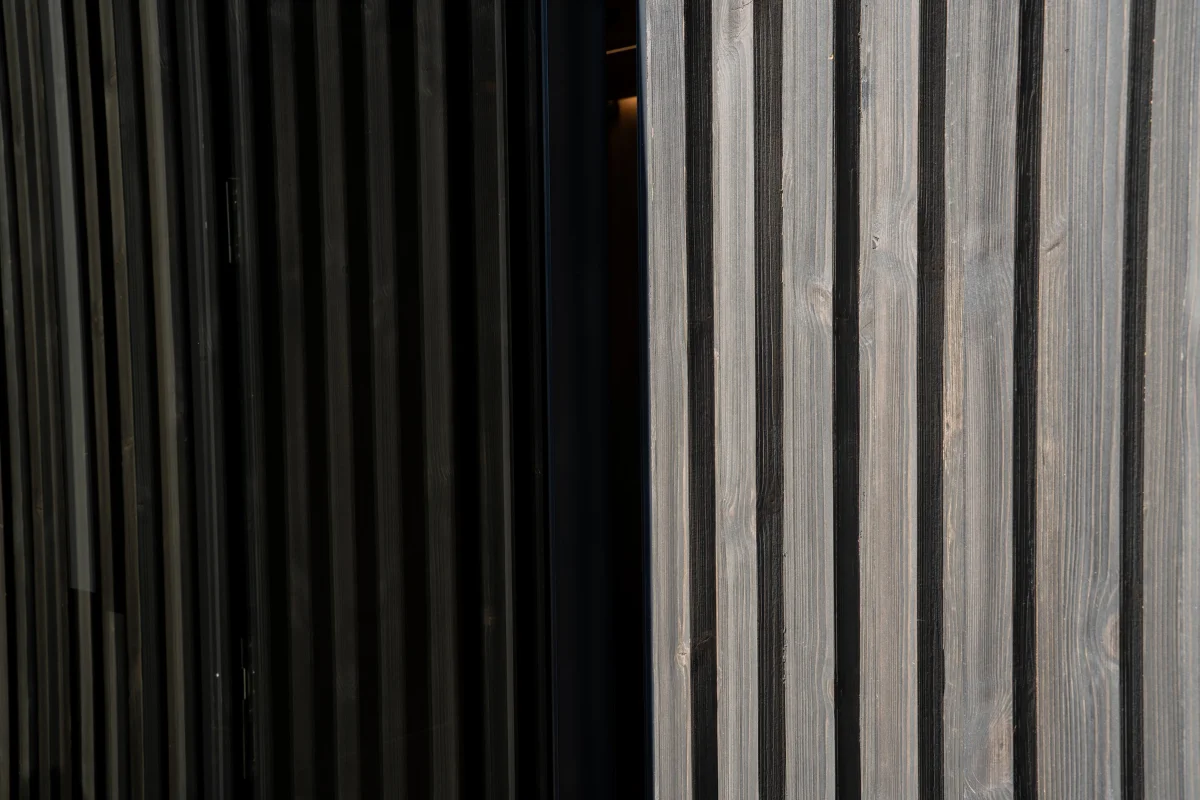
How thermally treated wood performs outdoors
Thermally treated wood is valued for its stability and predictable ageing. During the modification process, the wood is exposed to heat and steam, which changes its internal structure and reduces moisture absorption. As a result, the boards react far less to seasonal changes in humidity or temperature. For cladding applications this means that the façade maintains a consistent appearance and does not develop visible gaps as the seasons change.
The visual aspect is equally important. Thermally treated wood retains a natural and calm aesthetic. Its colour ages evenly, the texture remains pleasant, and the façade develops a natural patina over time. If a lighter tone is preferred, the surface can be treated with UV-protective oil, although this is not essential for maintaining structural durability. In other words, the façade continues to age in a natural and controlled way.
Composite cladding: strengths and limitations
Composite cladding is often chosen for its low maintenance. It does not require oiling, is resistant to moisture and retains a uniform appearance during the first years. For some projects this offers a practical advantage, especially when the goal is minimal ongoing care.
However, composite boards behave differently under direct sunlight and high temperatures. The surface can heat up noticeably, especially on south-facing façades. Over time this affects colour stability, and subtle tone variations begin to appear. Temperature changes also influence the material’s movement. Composite boards may expand or contract slightly more than thermally treated wood, which can highlight joints or create small visual shifts. These changes do not compromise safety, but they do influence how the façade looks in the long run.
Durability in real outdoor conditions
When used in similar environments, the differences become clearer. Thermally treated wood remains stable due to reduced moisture absorption. The boards maintain their shape and create a façade that ages gracefully. This is one of the main reasons why thermally treated timber is often selected for residential and architectural projects where natural appearance and longevity are equally important.
Composite cladding can also last for many years, but its visual ageing happens differently. Sun exposure, heat and material composition influence how the colour changes over time. Even if the structure itself remains intact, the façade may begin to show signs of uneven ageing sooner than a wooden façade would.
This does not mean that composite is unsuitable. It simply behaves differently, and understanding these differences helps make a more informed choice.
When thermally treated wood is the better option
Thermally treated wood is typically chosen when long-term stability, natural appearance and consistent ageing are priorities. It is suitable for modern façades, residential buildings and projects where the architectural design benefits from authentic wood texture. Because it reacts predictably to outdoor conditions, it helps maintain a cohesive and balanced façade for many years.
ESSPO Wood offers thermally treated ash, pine and spruce. Each species has distinct visual and structural characteristics, allowing the cladding to be tailored to different architectural styles and performance needs.
When composite cladding may be the right choice
Composite cladding is preferred when the main focus is low maintenance. In shaded or less exposed areas, the appearance can remain stable for a considerable time. However, for projects that require a natural look and long-term visual consistency, thermally treated wood often provides a more reliable result.
What to consider before making your decision
Choosing the right cladding involves understanding how each material behaves outdoors. Thermally treated wood offers stability, natural ageing and long-term visual harmony. Composite provides convenience, but its colour shifts and reaction to heat should be evaluated in advance.
If you are planning a façade project and want to choose the most suitable cladding for your climate, design and long-term expectations, the ESSPO Wood team can help you select the right profile and wood species for your building.
Contact us – we will help you choose the best option!