Tips
Bathroom Wall Cladding: Which Types of Wood Are Safe to Use in Humid Spaces?
Bathroom interiors place significantly greater demands on finishing materials than most other areas of the home. Constant humidity, temperature fluctuations, and limited ventilation can eventually affect even high-quality surfaces. For this reason, when choosing wall finishes, it is important to consider not only aesthetics but also material stability and resistance to environmental conditions.
In recent years, more modern interiors have started incorporating wood even in humid spaces. Properly selected wall cladding helps create a warmer, more natural, and more inviting bathroom interior that stands out not only for its appearance but also for its durability. This is why thermally modified wood is increasingly used in bathrooms, as it offers greater structural stability and reduced moisture absorption.
Those looking for long-lasting solutions should explore thermally modified wood wall cladding, designed for modern interiors and more demanding indoor conditions.
Why Is Moisture the Biggest Challenge for Wood?
Natural wood reacts to environmental changes. In humid conditions, it absorbs moisture from the air and expands, while in drier conditions, it contracts. For this reason, poorly selected or untreated wood may eventually deform, crack, or lose its aesthetic appearance.
In bathrooms, humidity levels often fluctuate intensely, making wood stability especially important in this environment. An additional challenge is limited air circulation, which can cause condensation to accumulate on surfaces.
For these reasons, thermally modified wood is recommended instead of conventional wood for humid interiors. During the thermal modification process, the wood’s moisture absorption is reduced, making it more stable and less sensitive to environmental changes.
Why Is Thermally Modified Wood Suitable for Bathrooms?
Thermally modified wood is produced using high temperatures and steam without chemicals. During this process, the wood structure changes, allowing it to absorb less moisture and remain more stable even in demanding conditions.
Because of these properties, thermally modified wood wall cladding is increasingly used in bathrooms, SPA areas, and relaxation spaces. Such wood deforms less, maintains precise dimensions for longer periods, and retains its aesthetic appearance even in environments with elevated humidity.
Another important advantage is the natural appearance of wood. Wood texture creates a warmer and more inviting atmosphere than tiles or synthetic finishing materials. In contemporary interiors, wood is often combined with stone, concrete, or minimalist surfaces to create a natural and elegant bathroom design.
Which Types of Wood Are Worth Choosing?
Thermally modified pine, spruce, and ash are most commonly used in bathroom interiors. Each wood species creates a different visual effect and interior atmosphere.
Thermally modified spruce is often selected for lighter, minimalist, or Scandinavian-style interiors. Its subtle texture and lighter tone help maintain a clean and airy feeling even in smaller bathrooms.
Thermally modified pine is appreciated for its warmer tone and more expressive wood grain. This type of wall cladding helps create a cosier and more natural bathroom interior.
Meanwhile, thermally modified ash is more commonly used in premium projects where a more refined and luxurious appearance is desired. Thanks to its higher density, ash features a richer texture and a stronger surface.
How Can Wooden Wall Cladding Be Safely Used in Humid Spaces?
Even when using stable thermally modified wood, proper installation and ventilation remain essential. Wood performs best when surfaces can dry naturally and are not constantly exposed to standing water.
In bathrooms, it is recommended to avoid direct and continuous water exposure in areas such as inside shower cabins unless additional protective solutions are used. Most often, wooden wall cladding is installed on accent walls, around vanity areas, on ceilings, or in SPA-style interiors.
Proper air circulation is equally important. A well-designed ventilation system helps reduce moisture accumulation and contributes to the longer service life of the wood.
How Does Wood Change the Bathroom Atmosphere?
Wood introduces more natural warmth and visual comfort into interior spaces. In bathrooms, this is especially important because the space is often associated with relaxation and wellbeing.
Unlike cold synthetic surfaces, wood helps create a calmer and more inviting atmosphere. Natural wood grain adds depth and authenticity, while the tones of thermally modified wood allow for both minimalist and more luxurious interior concepts.
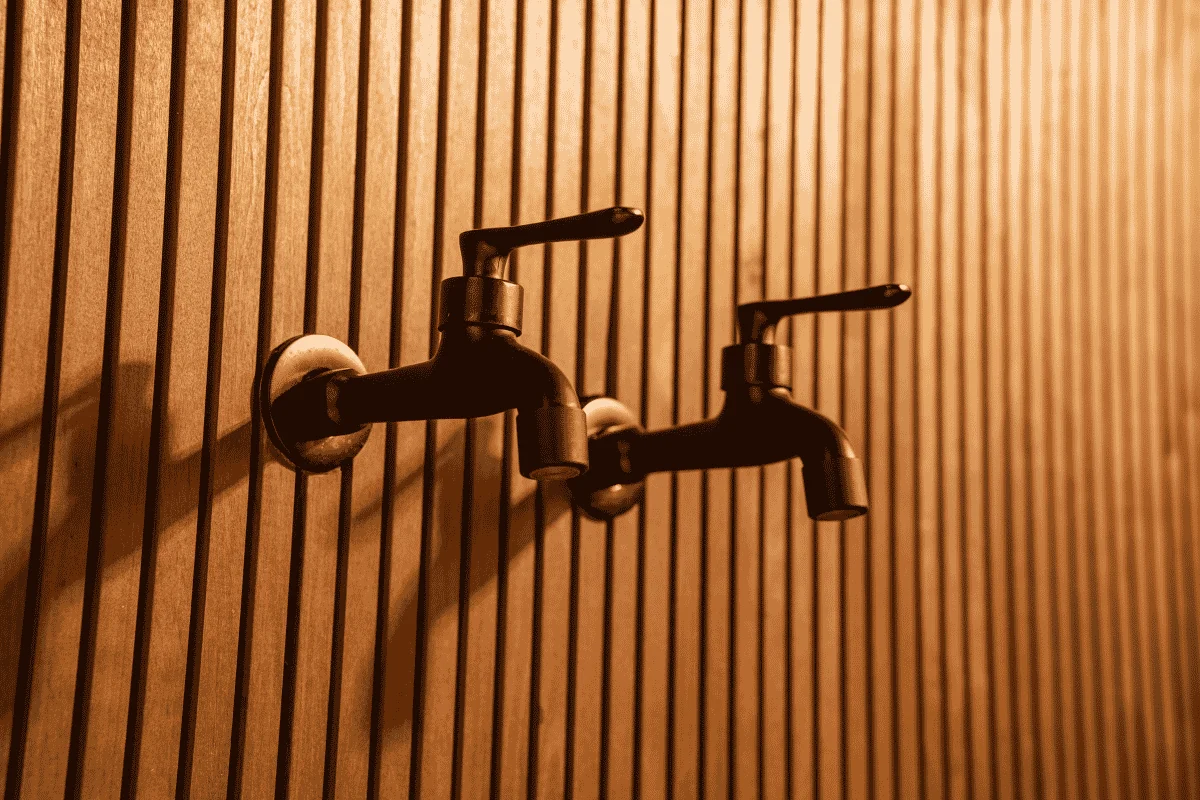
In contemporary interiors, wooden wall cladding is often used as an accent element, subtly combined with natural stone, black metal details, or soft lighting.
A Natural and Durable Solution for Bathroom Interiors
Properly selected wall cladding can become not only an aesthetic but also a long-lasting bathroom solution. Stability, reduced moisture absorption, and the natural appearance of wood make thermally modified wood one of the most suitable choices for modern humid interiors.
Natural texture, a warmer atmosphere, and long-term durability help create an interior that remains stylish and functional for many years. Properly installed thermally modified wood makes it possible to combine contemporary design with natural comfort in bathroom spaces.
Looking for the Right Bathroom Wall Cladding?
We will help you choose thermally modified wood wall cladding according to your bathroom size, interior style, and desired aesthetic result. Contact the ESSPO Wood specialists and discover a natural and durable solution for your interior.