Tips
Charred Wood or Thermally Modified Wood: How Do Facade Options Differ?
Charred wood has a carbonised surface, while thermal modification changes the properties throughout the board. Charring primarily affects the outer layer and texture; thermal modification reduces sensitivity to moisture changes. These are different processes, so similarly dark boards may not perform in the same way.
When choosing between charred cladding and thermally modified wood for facades, compare the products rather than colour alone. Check the wood species, treatment and maintenance requirements before deciding.
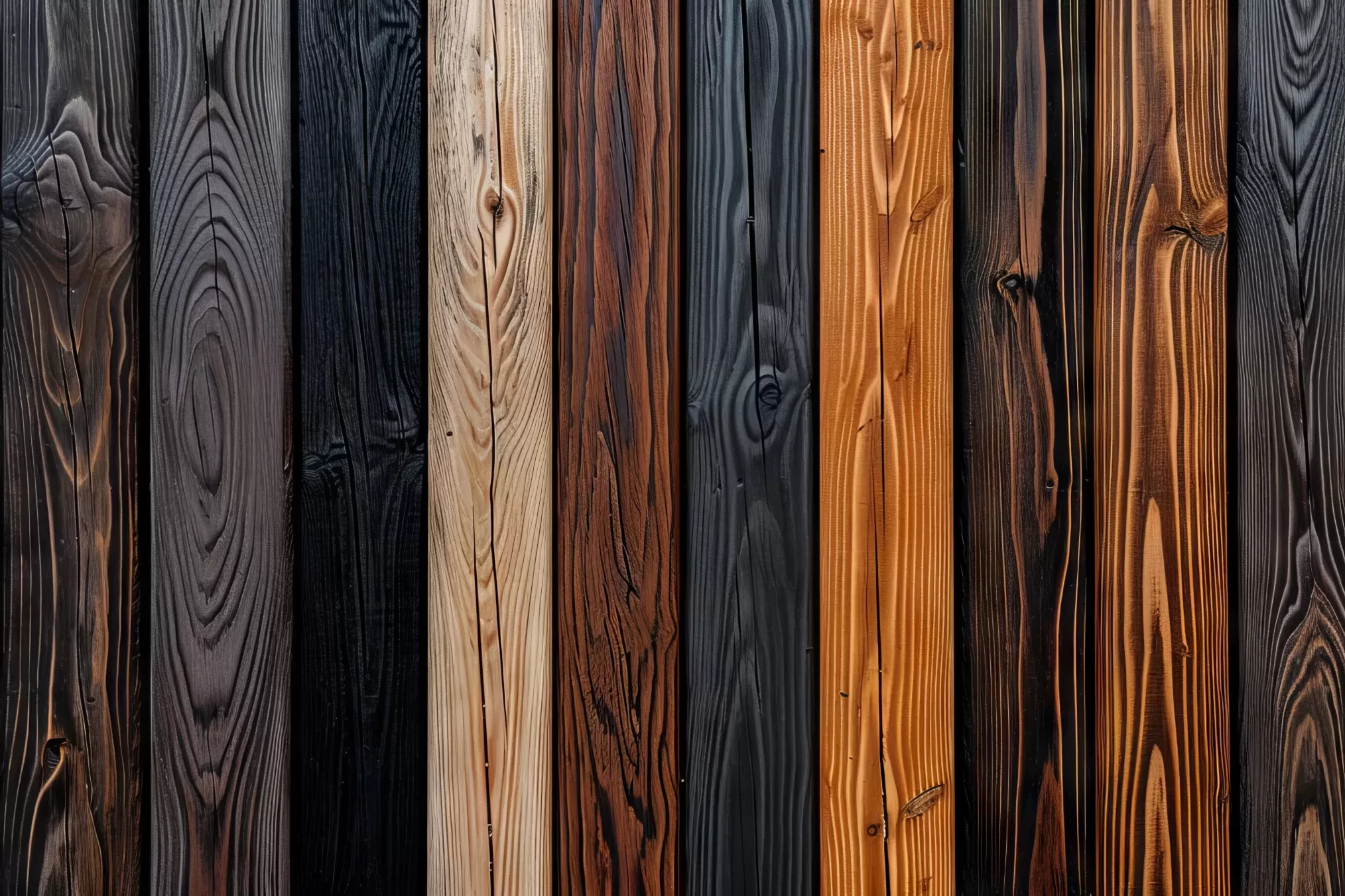
What lies beneath a charred surface?
Charring creates a carbon layer that can be left textured or partly brushed away to reveal the grain. Some boards have a deeply black surface, while others are browner with more pronounced grain. The description “charred wood” alone does not define the finished product.
Surface charring does not mean the whole board has been thermally modified. However, the processes can be combined: timber is thermally modified first, then charred. Ask whether the product uses thermally modified timber or ordinary wood beneath the char.
How does moisture resistance differ?
Thermally modified wood absorbs less moisture from the air and swells and shrinks less than untreated wood of the same species. This helps cladding joints remain consistent through seasonal changes. However, improved dimensional stability does not remove the need for appropriate installation gaps.
The moisture performance of charred wood depends on the species, charring method and resulting surface layer. Research on differently charred pine and spruce has shown variations in moisture uptake. A black surface alone is not proof of durability. Request technical data and installation instructions rather than relying on general claims that the wood will not rot.
How do colour and maintenance change over time?
Unprotected thermally modified wood gradually turns grey outdoors. Preserving its brown tone requires a suitable pigmented oil or another finish offering UV protection. Greying can be uneven because walls receive different amounts of sunlight and rain. Natural weathering can be a deliberate choice, but cleaning and inspections still matter.
The appearance of charred wood depends on how much carbon remains and whether a coating has been applied. An intact char layer can help retain the black colour, but an uncoated surface may leave marks when touched. Brushed and oiled boards can require different care from uncoated products. Handle a sample and ask how the chosen surface should be maintained.
Compare samples outdoors where the facade will be installed. It is also useful to visit an older building with similar cladding and ask how its surface has been maintained.
Installation and fire performance
Both options need ventilation behind the cladding, water drainage and suitable fixings. When planning a facade in Lithuania, pay attention to the base, windows and roof junctions, where poor detailing can trap moisture. Treatment cannot replace a properly designed installation. For thermally modified wood, follow the drilling and fixing requirements for the specific profile.
Charred wood is not automatically noncombustible. A carbon layer does not establish a product’s fire classification. Check the test documentation and intended application rather than judging fire performance by the board’s appearance.
When should you choose thermally modified wood for facades?
Thermally modified wood is worth considering when reduced swelling and shrinkage, together with visible natural grain, are priorities. Charred wood suits projects seeking a carbonised texture. A dark colour alone does not require charring: thermally modified cladding can also receive a suitable dark finish.
ESSPO Wood offers thermally modified pine, spruce and ash products. Choose the species and profile according to the architecture and budget. When comparing quotations, include fixings, surface finishing, installation and future maintenance. This gives a clearer picture of the complete facade solution than the board price per square metre alone.
Which thermally modified wood would suit your facade project?
Contact ESSPO Wood. We can help you choose the wood species and cladding profile, and discuss surface finishes and maintenance based on your preferred facade appearance and budget.