Tips
Hidden or Visible Decking Fixings: Which Is Better in the Long Run?
Both fixing methods can be reliable over time. Visible fixings give direct access to screws, while hidden systems leave the surface free of screw heads. Deck durability depends on compatibility between the boards and fixings, installation quality and the ability of the structure to dry.
Choose decking boards and their fixing system together. Before ordering, check whether the board profile suits the clips, how edge boards will be secured and whether individual boards can be replaced without dismantling a larger area.
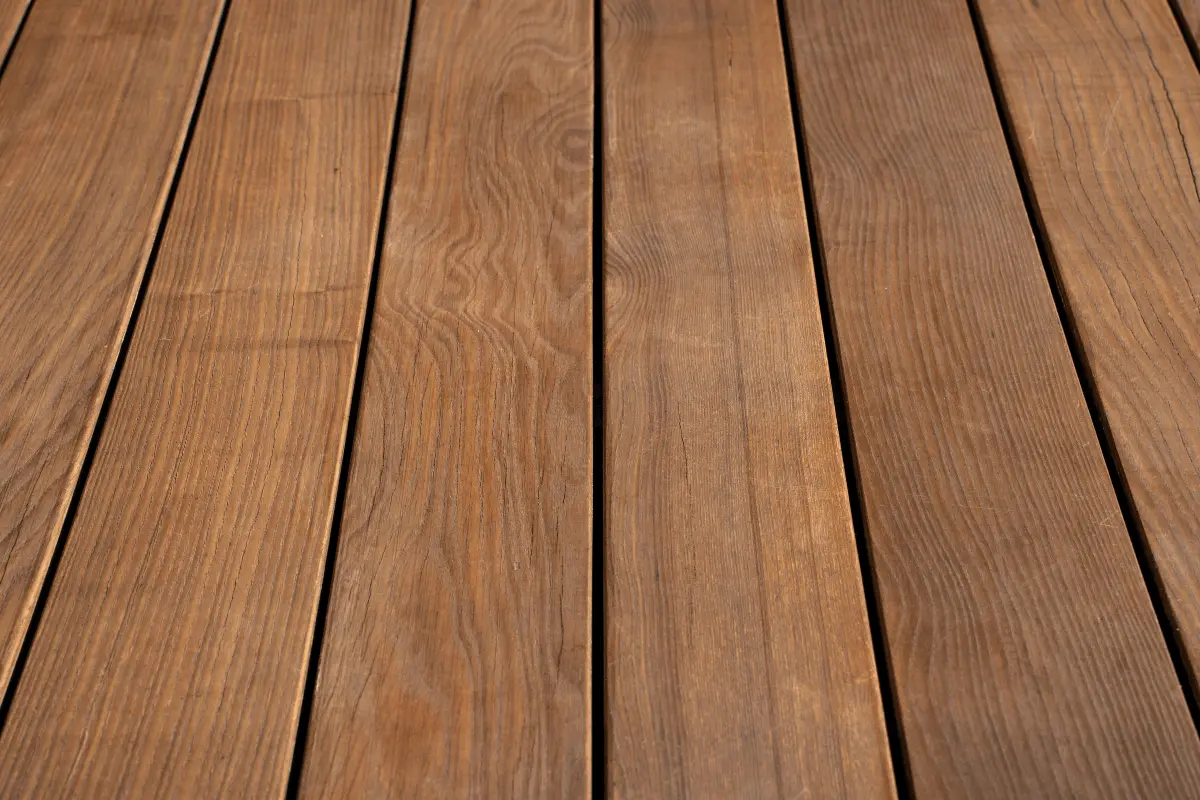
Visible fixings: getting the installation right
With visible fixings, screws pass through the board face into the joists. Positioning them in straight rows with consistent spacing creates a neat appearance. This approach suits projects where visible screw heads do not detract from the overall design.
Avoid driving screws too deeply, which can split the wood and leave recesses that collect moisture. Drill pilot holes according to the board manufacturer’s instructions and follow the specified distances from ends and edges. Thermally modified wood can still split around fixings despite its dimensional stability. Instructions for thermally modified pine should not automatically be applied to ash, as drilling and screw requirements may differ.
Hidden fixings: check the board profile
Hidden systems use clips in side grooves or beneath the boards, leaving the wood grain uninterrupted by screw heads. Some clips also maintain consistent gaps and lift boards above the supports to allow airflow.
A groove alone does not ensure compatibility. Its shape, the board dimensions and the clip specification must match. Not every hidden system suits thermally modified pine, spruce or ash. Check compatibility rather than choosing clips by appearance alone, and plan how the edge boards will be secured.
Moisture control matters more than screw visibility
Hidden fixings avoid holes in the board face, but cannot prevent water collecting beneath the deck. Both methods require suitable gaps, drainage and ventilation. Blocked gaps or enclosed sides can prevent drying regardless of the system. Fixings cannot compensate for an unstable substructure either. Support spacing must suit board thickness and expected loads, with board joints installed according to the system instructions. Do not reduce the number of clips to save materials.
Choose stainless steel screws according to the manufacturer’s guidance and site conditions. Coastal locations and pool areas may present greater corrosion risks, so a label stating suitability for outdoor use is not enough. Clips and screws must also be compatible.
Can you replace a single board easily?
The practicality of a fixing system becomes clear when repairs are needed. Visible screw heads are accessible from above, allowing an individual board to be released. Some hidden systems allow boards to be removed with special tools without damaging the fixings. However, check this in the specific system instructions rather than assuming it is possible.
Ask for a demonstration before installation, especially where equipment or connections beneath the deck may need access. Keep the system name, instructions and spare components. During inspections, investigate loose boards or fixings rather than simply tightening the screws harder.
What should you choose for your budget and use?
Compare the total installation cost, including boards, clips, screws, substructure preparation and labour. The price of an individual fixing does not reveal which option is more economical. Ask for edge board installation to be included in the quotation and for the potential repair procedure to be explained.
Properly installed visible fixings are a practical choice when screw heads do not interfere with the appearance you want. For an uninterrupted timber surface, choose a hidden system designed for your boards. In either case, prioritise compatibility confirmed by the manufacturer rather than claims that one method will always last longer.
Not sure which fixing method is right for your decking boards?
Contact ESSPO Wood. We can help you choose decking boards and a suitable profile, and discuss fixing options based on your deck’s conditions and budget.