Tips
Common Mistakes When Choosing Facade Cladding for a New Home
Both fixing methods can be reliable over time. Visible fixings give direct access to screws, while hidden systems leave the surface free of screw heads. Deck durability depends on compatibility between the boards and fixings, installation quality and the ability of the structure to dry.
Choose decking boards and their fixing system together. Before ordering, check whether the board profile suits the clips, how edge boards will be secured and whether individual boards can be replaced without dismantling a larger area.
1. Choosing cladding by colour alone
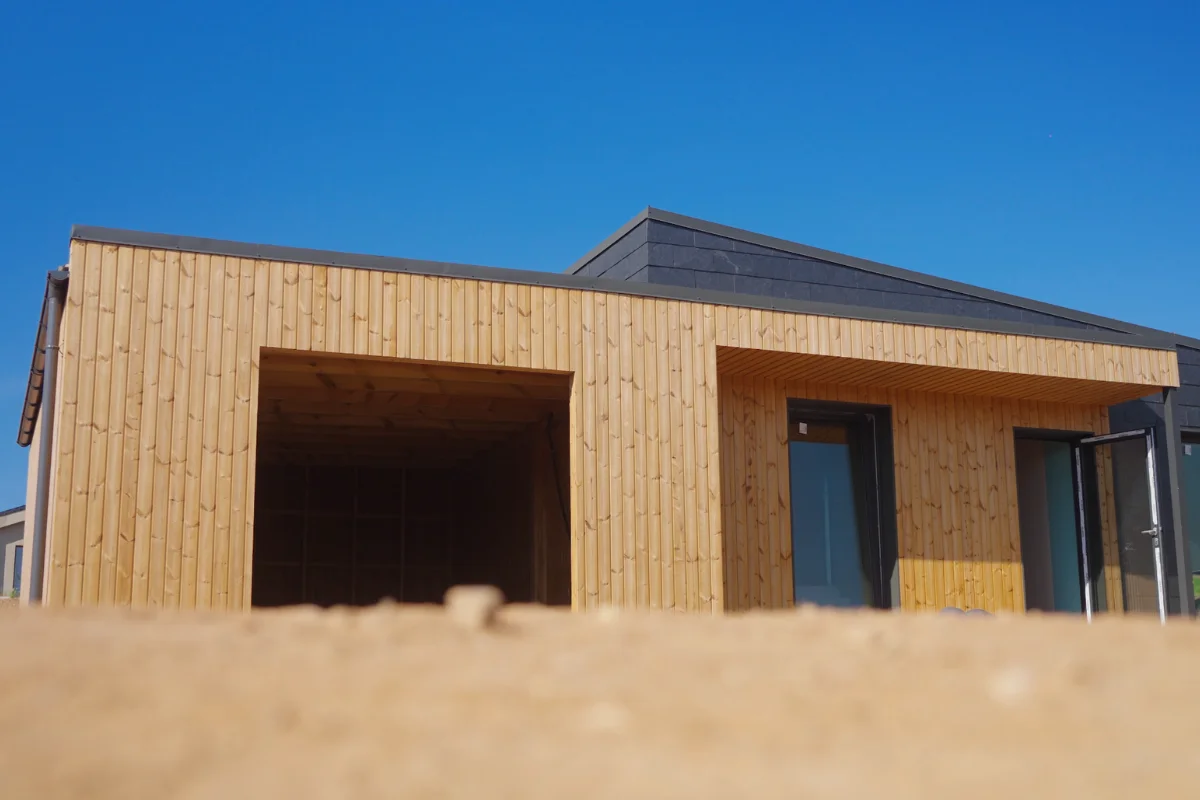
A showroom sample or photograph shows the wood’s initial appearance. Outdoors, sunlight, rain and temperature changes affect the surface over time. Unprotected timber gradually turns grey. To preserve its original brown tone, plan suitable surface protection and maintenance from the outset. Consider how you want the facade to look after five or ten years.
2. Overlooking the wood species
Pine, spruce and ash differ in density, grain, price and appearance. The same profile in different species can therefore produce a different result. ESSPO Wood thermally modified pine and spruce are practical choices for larger facade areas, while thermally modified ash suits projects seeking denser wood and more expressive grain. Choose according to the architecture and budget rather than assuming one species is best for every facade.
3. Choosing a profile without considering the whole building
Narrower boards with deeper profiles create stronger shadow lines, while wider, flatter surfaces produce a more understated appearance. This difference may seem minor in a small sample but becomes noticeable across an entire facade. View a larger sample alongside the windows, roof, building base and other exterior finishes before ordering.
4. Deciding on installation direction too late
Vertical lines can emphasise height, while horizontal boards highlight a building’s width. However, installation direction affects more than appearance. It also determines the supporting batten layout, preparation and certain junction details. Leaving this decision until work has started can mean altering a structure that has already been prepared.
5. Forgetting ventilation behind the cladding
Even quality thermally modified wood cannot replace correct installation. Air must circulate behind timber cladding so moisture can escape. Pay attention to details around the building base, windows, roof and other junctions where water may enter behind the boards. Better timber alone will not solve a construction detail that prevents drying.
6. Leaving the fixing system until the last minute
Visible screws and hidden fixings create different appearances, but compatibility with the chosen profile matters most. Decide on hidden fixings while selecting the boards, since not every profile suits every system. Plan corner details, window reveals and board joints at the same stage rather than resolving them during installation.
7. Comparing board prices instead of complete costs
The price per square metre does not represent the full facade budget. Include battens, fixings, corner and window trims, surface finishes, installation and an allowance for cutting waste. A cheaper board combined with more complicated fixings or more frequent maintenance may not be the most economical option over time.
How can you make a better cladding choice?
The best time to decide is before the supporting structure is finalised. Consider the species, profile, direction, fixings and future colour together. This helps avoid buying attractive boards that do not suit the intended fixing system or require more maintenance than expected. A successful facade depends on coordinated choices rather than a collection of separate features.
Choosing facade cladding for your new home?
Contact ESSPO Wood. We can help you choose the wood species, cladding profile and facade solution to suit your home’s architecture, preferred appearance and budget.