Tips
Hardwood Decking Boards: Advantages, Disadvantages, and Real Maintenance
When planning an outdoor terrace, appearance alone is rarely enough to make the right decision. Terrace boards are constantly exposed to moisture, temperature fluctuations, sunlight, and mechanical wear, so long-term durability becomes one of the most important factors. For this reason, many projects choose hardwood decking boards, which are valued for their strength, stability, and distinctive natural appearance.
At the same time, it is important to understand that even durable wood requires proper maintenance and suitable installation solutions. Before choosing a terrace material, it is worth evaluating not only aesthetics, but also how the wood behaves over time, how much maintenance it requires, and which wood species are best suited for outdoor conditions.
Today, one of the most reliable solutions for outdoor terraces is considered to be thermally modified hardwood decking. Thanks to thermal modification, the wood becomes more stable, absorbs less moisture, and maintains its appearance longer even in changing climates.
Why Are Hardwood Decking Boards Valued for Outdoor Terraces?
Hardwood is appreciated for its density and resistance to mechanical impact. Compared to softer wood species, hardwood decking boards usually withstand intensive use better and maintain their structure longer. This is especially important for terraces that are exposed to heavy foot traffic, outdoor furniture, or changing weather conditions.
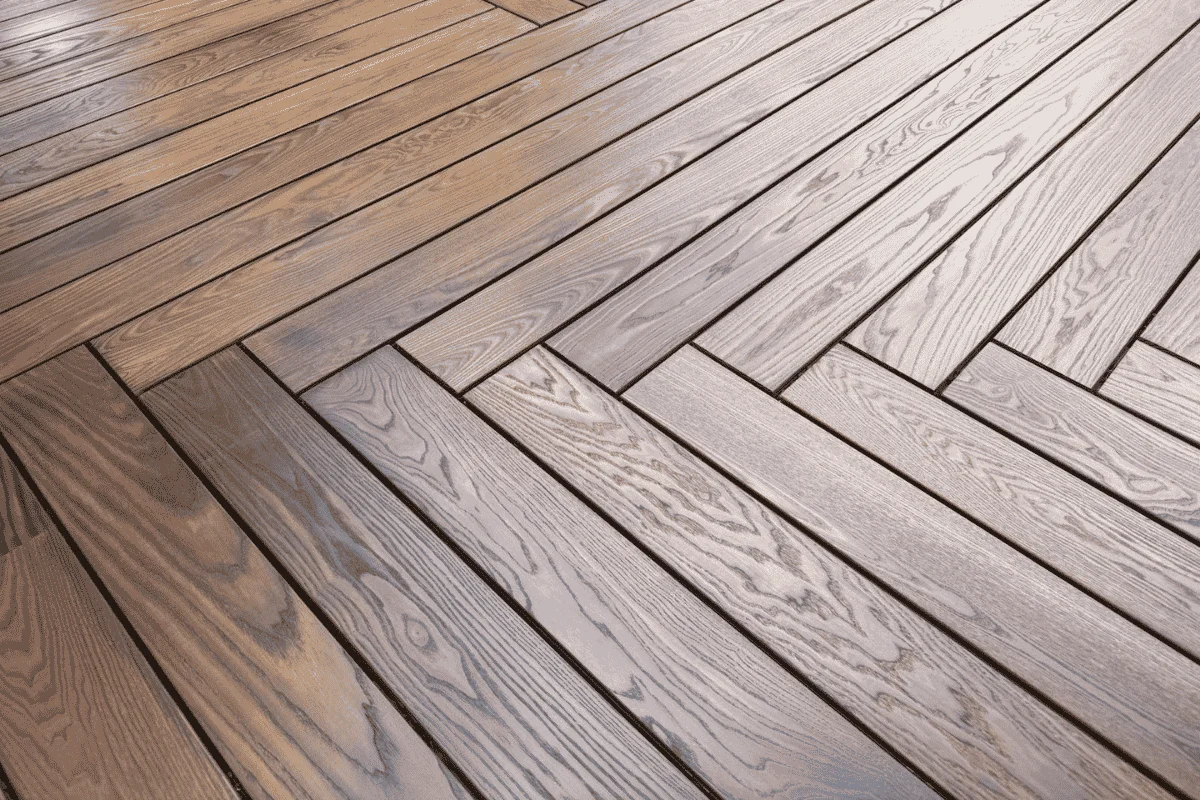
Another important advantage is appearance. Hardwood features a more expressive grain pattern and deeper natural tones, giving terraces a premium and refined look. Over time, the surface matures naturally and develops an authentic character that blends well with both modern and classic architecture.
When the wood is thermally modified, its stability increases even further. During the process, the wood is treated with high temperatures and steam without using chemicals. This reduces the wood’s moisture absorption, making it less likely to expand, contract, or deform outdoors.
For projects seeking a durable and natural-looking terrace solution, many choose thermally modified hardwood decking boards.
The Main Advantages of Hardwood Decking Boards
One of the biggest advantages of hardwood decking is durability. Dense wood species are naturally more resistant to wear, making them suitable for terraces that are used frequently throughout the year.
Another important benefit is dimensional stability. Thermally modified hardwood absorbs less moisture than untreated wood, which helps the boards maintain their shape even during seasonal humidity and temperature changes.
Hardwood decking boards are also valued for their visual quality. Their rich texture and deeper colour tones create a more premium appearance and allow terraces to become an important architectural feature of the outdoor space.
Thermally modified ash is especially popular for terrace projects because it combines durability, stability, and elegant aesthetics. It is often selected for residential terraces, poolside areas, and modern outdoor living spaces where both appearance and longevity matter.
What Are the Disadvantages of Hardwood Decking?
Although hardwood decking offers many advantages, it is important to understand its characteristics realistically. One of the main considerations is price. Hardwood boards are generally more expensive than softwood alternatives because of their density, durability, and more demanding processing.
Another aspect is maintenance. Even thermally modified wood changes naturally over time when exposed to sunlight and weather. If left untreated, the surface gradually develops a silver-grey patina. Many homeowners appreciate this natural ageing process, but those who want to preserve the original colour should periodically apply UV-protective oil.
Hardwood is also denser and heavier, which can make installation more demanding. Proper substructure spacing, ventilation, and fastening solutions are especially important to ensure long-term stability.
How Much Maintenance Does Hardwood Decking Really Require?
One of the most common misconceptions is that hardwood decking requires constant maintenance. In reality, thermally modified hardwood is significantly more stable than untreated wood and generally requires less intensive care.
Regular cleaning is usually enough to maintain the terrace in good condition. Dirt, leaves, and moisture should be removed periodically to prevent surface contamination and moisture accumulation.
If maintaining the original shade is important, applying oil once or twice per year is typically sufficient depending on weather exposure and terrace orientation. Oiling is mainly an aesthetic choice rather than a structural necessity.
Because thermally modified wood absorbs less moisture, it is less prone to cracking, swelling, or severe deformation. This makes maintenance more predictable and manageable over the long term.
Why Does Thermally Modified Hardwood Perform Better Outdoors?
Outdoor terraces are constantly exposed to changing environmental conditions. Rain, frost, heat, and UV radiation gradually affect all materials, including wood.
Thermal modification improves the wood’s stability by reducing its ability to absorb moisture. As a result, thermally modified hardwood decking performs more reliably in outdoor environments and experiences fewer dimensional changes throughout the seasons.
This stability also contributes to longer-lasting aesthetics. Properly installed decking boards maintain a more uniform appearance, and the risk of severe warping or twisting is reduced.
For climates with frequent weather fluctuations, such as Northern Europe, thermally modified wood is often considered one of the most reliable natural materials for terraces and other exterior applications.
Is Hardwood Decking the Right Choice for Every Project?
Hardwood decking is particularly suitable for projects where durability, natural aesthetics, and long-term value are priorities. It works well for modern residential terraces, premium outdoor spaces, poolside areas, and architectural projects that aim to highlight natural materials.
Thermally modified ash is often selected when a more expressive grain pattern and higher density are desired. Meanwhile, thermally modified pine or spruce may be preferred for projects focused on lighter tones or more economical solutions.
The right choice depends on the terrace size, exposure to weather, expected maintenance level, and the overall architectural style of the project.
A Long-Term Investment in Outdoor Comfort
Choosing terrace boards is not only about appearance today, but also about how the material will perform after many seasons outdoors. Hardwood decking boards are valued for their durability, structural stability, and timeless natural aesthetics, while thermal modification further improves their performance in exterior conditions.
Natural wood texture, lower moisture absorption, and reduced risk of deformation make thermally modified hardwood a reliable long-term solution for terraces. With proper installation and reasonable maintenance, such decking can maintain both its appearance and functionality for many years.
If you are planning a terrace project and looking for a durable, natural-looking solution, thermally modified hardwood decking may be one of the most practical and visually refined choices for your outdoor space.
Looking for Durable Hardwood Decking Boards for Your Project?
We will help you choose the most suitable thermally modified hardwood decking according to your terrace design, expected maintenance level, and architectural style. Contact the ESSPO Wood specialists and discover a reliable long-term solution for your outdoor space.