Tips
Oiled, Lacquered, or Natural Cladding: Differences in Use and Maintenance
When choosing wooden cladding, it is important to evaluate not only the wood species or profile but also the surface treatment. It has a significant impact on the appearance of the cladding, maintenance requirements, resistance to environmental conditions, and overall durability. For this reason, both interior and exterior projects most commonly consider three main options: oiled, lacquered, or natural cladding.
The right surface treatment helps preserve the aesthetic appearance of wood while adapting the cladding to specific usage conditions. Today, more and more projects choose thermally modified timber because of its stable structure and lower moisture absorption, making it a long-lasting solution for both interior and exterior applications.
For those looking for durable and aesthetic solutions, it is worth exploring thermally modified wood cladding and wall paneling designed for modern interiors and facade projects.
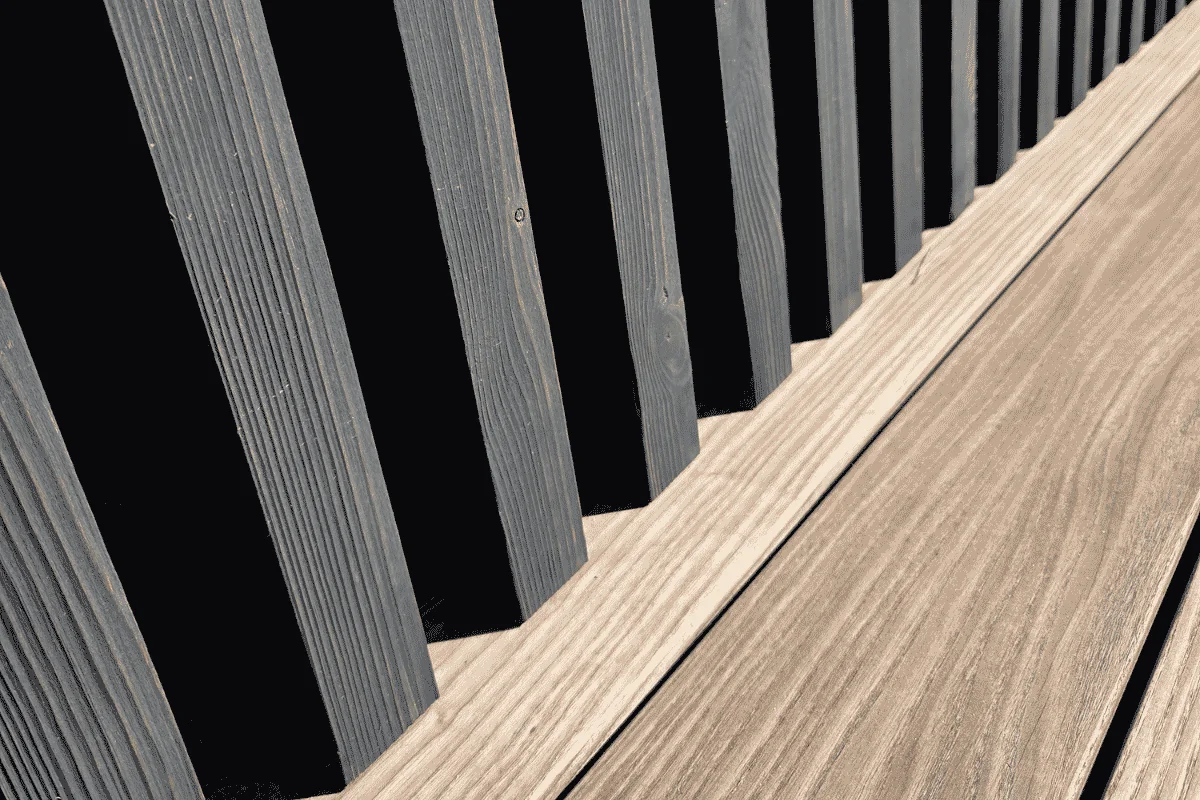
Natural Cladding – An Authentic Wood Appearance
Natural cladding is usually chosen when the goal is to preserve the authentic character of wood and allow it to age naturally. This type of timber is not additionally coated with oil or lacquer, so its surface changes naturally over time under environmental exposure.
In interior spaces, natural wall paneling preserves the true texture and feel of wood. Outdoors, natural thermally modified timber gradually develops a grey patina due to UV exposure, while its structural stability remains intact.
For this reason, natural exterior cladding is often selected for modern architectural projects where natural and even weathering is appreciated. Properly installed thermally modified timber remains stable even without additional surface coating.
Oiled Cladding – A Balance Between Natural Beauty and Protection
Oiled cladding is considered one of the most popular solutions for both interiors and exterior applications. Oil penetrates the wood surface, highlights the natural grain, and provides additional protection against moisture and UV exposure.
Unlike lacquer, oil does not create a thick surface layer, allowing the wood to maintain its natural appearance and tactile feel. This is why oiled wall paneling is frequently used in residential interiors where natural aesthetics and the warm feel of wood are important.
In exterior conditions, oil helps preserve the original wood tone for longer and reduces UV impact on the surface. However, this type of finish requires periodic maintenance. Depending on environmental conditions and sun exposure, the oil layer is usually recommended to be renewed every few years.
Because of its lower moisture absorption and more stable structure, thermally modified timber absorbs oil more evenly, allowing the surface to maintain its aesthetic appearance for a longer period.
Lacquered Cladding – Greater Surface Protection
Lacquered cladding is more commonly chosen for interior spaces where greater protection against wear and dirt is required. Lacquer forms a protective layer on the wood surface, making the cladding more resistant to everyday use.
This solution is often used in heavily used areas such as hallways, commercial interiors, or public spaces. Lacquered surfaces are also easier to clean.
However, it is important to understand that lacquer changes the natural feel of wood more noticeably. Depending on the selected product, the surface may appear glossier or visually more sealed. In addition, once the lacquer layer becomes damaged, repairs are usually more complicated than with oiled surfaces.
For this reason, lacquer is used less frequently on exterior cladding, as intense UV exposure and temperature fluctuations can gradually damage the coating layer.
How Does Maintenance Differ?
The biggest differences between oiled, lacquered, and natural cladding become apparent during long-term use.
Natural cladding requires the least regular maintenance if natural colour changes in the wood are acceptable. This type of finish is often chosen for projects seeking the most authentic and natural appearance possible.
Oiled cladding helps maintain the original colour for longer but requires periodic surface renewal. However, restoring an oiled surface is generally simpler than refinishing lacquered wood.
Lacquered cladding is often more practical for daily maintenance, but repairing damaged surfaces can be more complicated and may require refinishing larger areas.
Why Does Thermally Modified Timber Remain Stable Regardless of Surface Treatment?
Surface protection is important, but the wood structure itself also plays a major role. Thermally modified timber is produced using high temperatures and steam without chemicals. During this process, the wood’s moisture absorption is reduced, making it more stable and less sensitive to environmental changes.
Because of these properties, thermally modified wall paneling and exterior cladding are less prone to warping, cracking, or deformation while maintaining their aesthetic appearance for a longer time. This is especially important in facade projects and interior spaces where durability and dimensional stability are essential.
The ESSPO Wood range includes thermally modified pine, spruce, and ash, allowing solutions to be adapted according to project aesthetics and usage conditions.
How to Choose the Most Suitable Solution?
The most suitable option depends on the type of project, the desired aesthetics, and maintenance expectations. If natural wood ageing and minimal intervention are the priority, natural cladding is often the preferred choice. Oil is commonly selected when the goal is to preserve colour while maintaining a natural surface feel. Lacquer, meanwhile, is more frequently used indoors where enhanced surface protection is needed.
The most important factor is ensuring that both interior wall paneling and exterior cladding are made from stable, high-quality timber. Properly selected thermally modified timber helps preserve the aesthetic appearance for longer while reducing the risk of deformation over time.
Long-Lasting Cladding Starts With the Right Choice
Oiled, lacquered, and natural cladding each offer different aesthetics, characteristics, and maintenance requirements. Choosing the right surface treatment allows the cladding to be adapted to the specific space, environmental conditions, and desired visual result.
Because of its stability, natural beauty, and durability, thermally modified timber remains one of the most versatile solutions for both modern interiors and exterior facade projects. It is a solution that combines aesthetics, functionality, and long-term quality.
Looking for the Right Cladding Solution for Your Project?
We can help you choose thermally modified wall paneling or exterior cladding based on your project architecture, maintenance expectations, and desired visual result. Contact the ESSPO Wood specialists and discover a durable and natural solution for your project.