Tips
Thermally Modified Pine or Ash for Decking: What Is the Difference and Which Should You Choose for Your Budget?
When choosing wood for a deck, one of the key decisions is whether to use thermally modified pine or thermally modified ash. Both are suitable for outdoor applications, but they differ in density, surface hardness, grain and price. The right choice therefore depends not only on appearance, but also on how intensively the deck will be used and how much you plan to invest.
If you are considering thermally modified wood for your deck, a simple starting point is this: pine is usually the more budget-conscious option, while ash offers a denser and harder surface for more demanding applications. However, price and wood species alone should not determine the final decision.
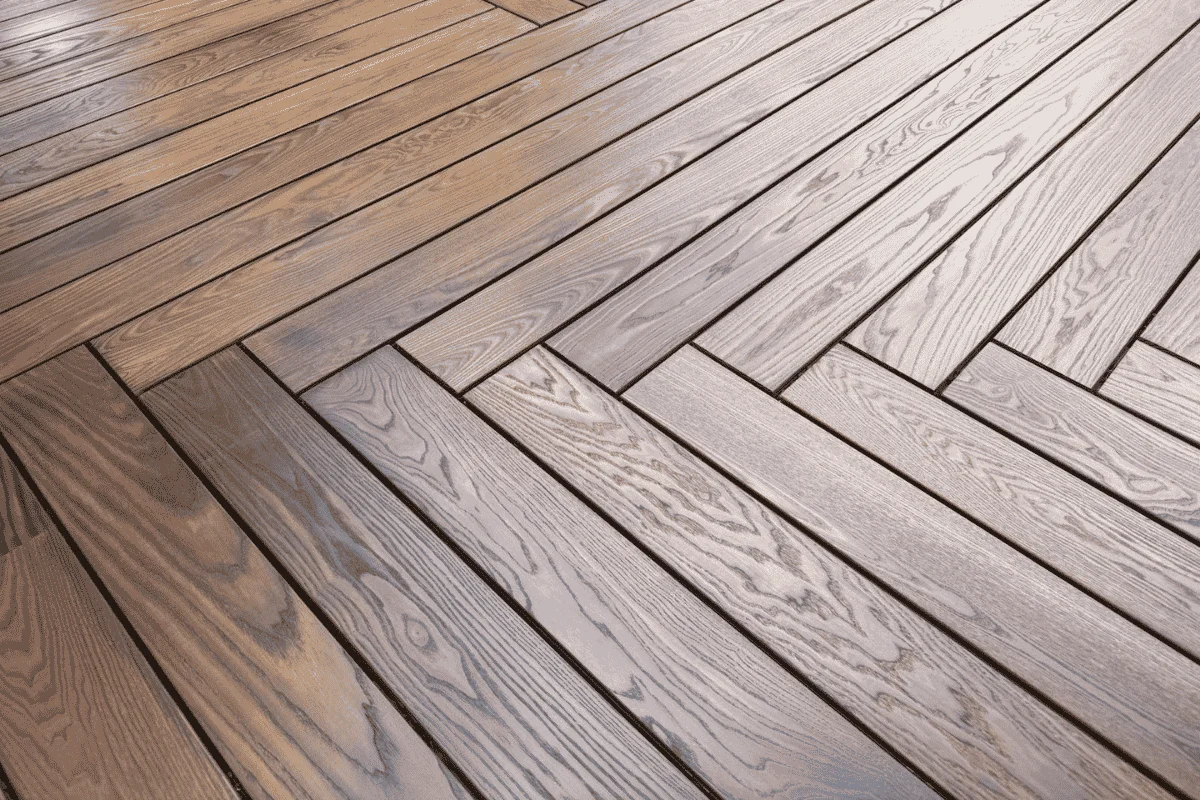
What Is the Difference Between Thermally Modified Pine and Ash?
The main differences begin with the natural structure of the wood. Ash is a hardwood with a denser structure and a distinctive grain. Pine is a softwood, which makes it lighter and generally more affordable.
Thermal modification changes the behaviour of both species. The process reduces the wood’s tendency to absorb moisture from the surrounding air and improves dimensional stability. These properties are particularly valuable for decking exposed to rain, sunlight, humidity and seasonal temperature changes.
The difference is also noticeable in everyday use. As pine is softer, marks from mechanical wear can appear more easily. The denser surface of thermally modified ash makes it better suited to areas where heavier or more frequent use is expected.
When Is Thermally Modified Pine a Good Choice?
Thermally modified pine is a practical option when you want a natural wood deck while keeping the overall project budget under control. The price difference becomes particularly relevant on larger decks, where even a relatively small difference in cost per square metre can have a noticeable effect on the final budget.
Pine works well for residential decks, outdoor seating areas and other spaces without exceptionally heavy foot traffic. It should not simply be seen as a cheaper substitute for ash. It has its own character, with a distinctive softwood grain and a different surface appearance.
For many residential projects, this balance between cost, appearance and performance makes thermally modified pine a sensible choice.
When Is It Worth Investing in Thermally Modified Ash?
Thermally modified ash is worth considering when greater demands are placed on the deck surface. Its denser structure makes it suitable for intensively used residential decks and commercial outdoor areas where the boards are exposed to more frequent daily use.
Appearance is another important difference. Ash has a pronounced natural grain that gives the decking a distinctive character. In projects where the deck is intended to form a visible part of the overall architectural design, this can be just as important as the technical properties of the material.
Ash comes at a higher price, so it may not always be necessary for a lightly used residential deck. The additional investment makes more sense when surface hardness, intensive use and a distinctive hardwood appearance are priorities.
Does More Expensive Wood Always Mean a Better Deck?
Not necessarily. If a residential deck is mainly used for relaxing during the warmer months and keeping the project cost within a defined budget is important, thermally modified pine may be entirely suitable. If the deck will see heavier use and a denser surface is preferred, investing in thermally modified ash may be more appropriate.
The budget should also include more than the price of the decking boards themselves. The substructure, board profile and dimensions, fastening system and installation all contribute to the final cost. Saving on the boards while compromising on the supporting structure or installation is rarely a good long-term approach.
What Should You Know About Maintenance?
Both thermally modified pine and ash naturally change colour outdoors. When left untreated, exposure to UV radiation gradually turns the surface grey. This is a natural change in the appearance of the wood and does not by itself mean that the boards have lost their technical properties.
If you want to preserve the original brown tone for longer, the surface can be treated and periodically maintained with a suitable pigmented exterior wood oil. If natural greying is acceptable, the maintenance approach can be different.
Pine or Ash: Which One Should You Choose?
For projects where budget is a key consideration, thermally modified pine is often the more practical choice. It provides the appearance of natural wood and the benefits of thermal modification without moving into the higher price range associated with ash.
Thermally modified ash is better suited to projects where a denser, harder surface and a more pronounced hardwood grain are priorities. It is particularly worth considering for intensively used decks or projects where the decking plays an important visual role.
The best choice is therefore not automatically the more expensive species. It is the wood that provides the properties your particular deck actually needs.
Not sure whether thermally modified pine or ash is right for your deck?
Contact ESSPO Wood. We can help you choose the right wood species and decking profile based on the size of your deck, expected use, preferred appearance and project budget.