Tips
Thermally Modified Wood for Facades: How Long Does It Keep Its Colour Without Oil?
Uncoated thermally modified wood on a facade can begin losing its original brown colour within a few months. Greying may take several months to a few years, depending on exposure to sunlight and rain. This does not mean the original shade remains unchanged throughout that time. The surface changes gradually.
When choosing cladding, distinguish between the timber’s service life and how long it retains its colour. Here, we are discussing boards without oil, paint or another protective coating. Thermal modification alone does not mean a brown facade will stay brown for years.
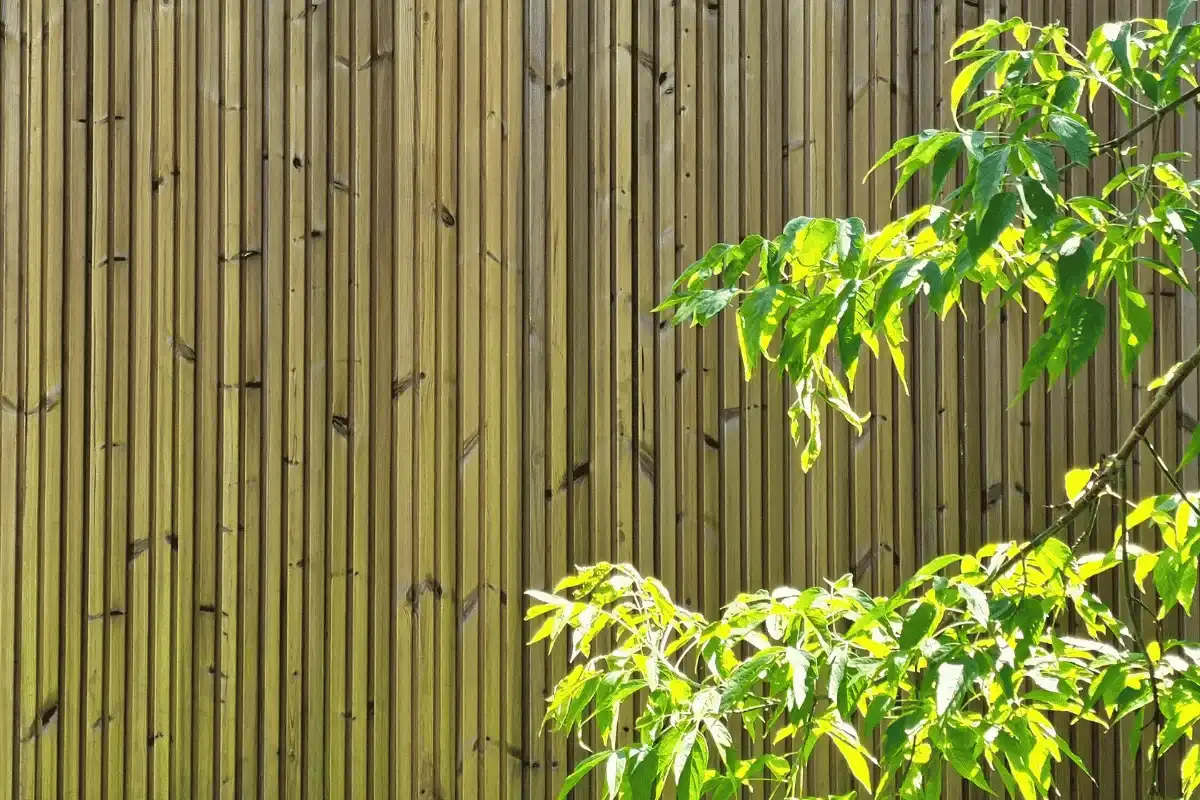
Why does thermally modified wood turn grey?
UV radiation breaks down lignin at the wood surface. Together with moisture and other environmental factors, this changes the colour and surface condition. Thermal modification improves dimensional stability but does not create a protective barrier against sunlight.
Thermally modified pine, spruce and ash cladding all change colour outdoors. A darker starting shade does not guarantee slower greying. Before choosing, look at samples that have been exposed outdoors rather than judging the material solely by a new board.
Why does a facade grey unevenly?
A wall exposed to sun and rain may change noticeably during its first season, while boards beneath a roof overhang retain their brown tone for longer. On the same facade, sheltered upper boards may still look brown while the lower section has already turned grey.
When planning a facade in Lithuania, consider its orientation, roof overhangs, tree shade and water runoff. There is no guarantee that every wall will develop an even silver grey finish after a year. The transition can be patchy, and differences in sheltered areas may persist much longer.
When comparing photographs, ask when they were taken, whether the timber was coated and which side of the building is shown. A brown surface may have been regularly maintained. This context is more useful than a general promise that the colour will last a certain number of years.
Does grey colour mean the wood is deteriorating?
Greying alone does not indicate decay or mean the cladding needs replacing. Correctly specified and installed thermally modified wood can be used without a coating intended to preserve colour. However, weathering affects more than appearance alone: surfaces can become rougher and develop fine cracks.
Uncoated cladding still needs care. Remove dirt, check that air can circulate behind the boards and prevent water from collecting. Black marks should not automatically be treated as normal greying. They may result from dirt or surface fungi and need separate assessment.
How can you preserve the brown colour?
To retain a brown facade, choose a pigmented oil or another finish offering UV protection that is suitable for thermally modified wood. A product labelled as water resistant does not necessarily protect against colour changes. Check its intended use and follow the manufacturer’s instructions.
Plan colour protection before installation, while the boards have not yet started greying. Apply the finish to clean, dry wood and test the shade on a small area first. Maintenance intervals depend on the product and exposure, so there is no universal oiling schedule.
Include access to higher sections of the facade in the maintenance budget. These areas will need to be reached again when the finish requires renewal.
What can you do if the facade has already turned grey?
Restoring a browner tone is often possible, but applying oil directly to a weathered surface is not enough. Remove dirt first, then use a suitable wood cleaner or careful sanding according to the surface condition. Powerful water jets can damage wood, so follow the manufacturer’s cleaning guidance.
Once the prepared surface has dried, test the chosen finish. Results depend on the previous condition and preparation, so an exact match to a new board cannot be guaranteed. Where natural greying is acceptable, focus on cleanliness and allowing moisture to escape rather than restoring the brown colour.
Need help choosing thermally modified wood for your facade and planning its maintenance?
Contact ESSPO Wood. We can help you choose the wood species and cladding profile, and discuss colour protection or natural greying based on your building’s location and the appearance you prefer.