Tips
Thermally Modified Wood for Restaurant and Café Terraces: What Should You Consider for Heavy Foot Traffic?
Restaurant and café terraces experience considerably more wear than typical residential outdoor spaces. Constant foot traffic, moving chairs, heavy furniture and frequent cleaning can gradually affect the wood surface. Choosing the right decking therefore involves considering mechanical wear, visitor safety and long-term maintenance.
For commercial outdoor spaces, thermally modified wood is worth considering because of its improved dimensional stability and reduced sensitivity to moisture changes. However, these properties alone are not enough for a heavily used terrace. Wood species, board profiles, fixing systems and substructure design all influence how well the decking performs over time.
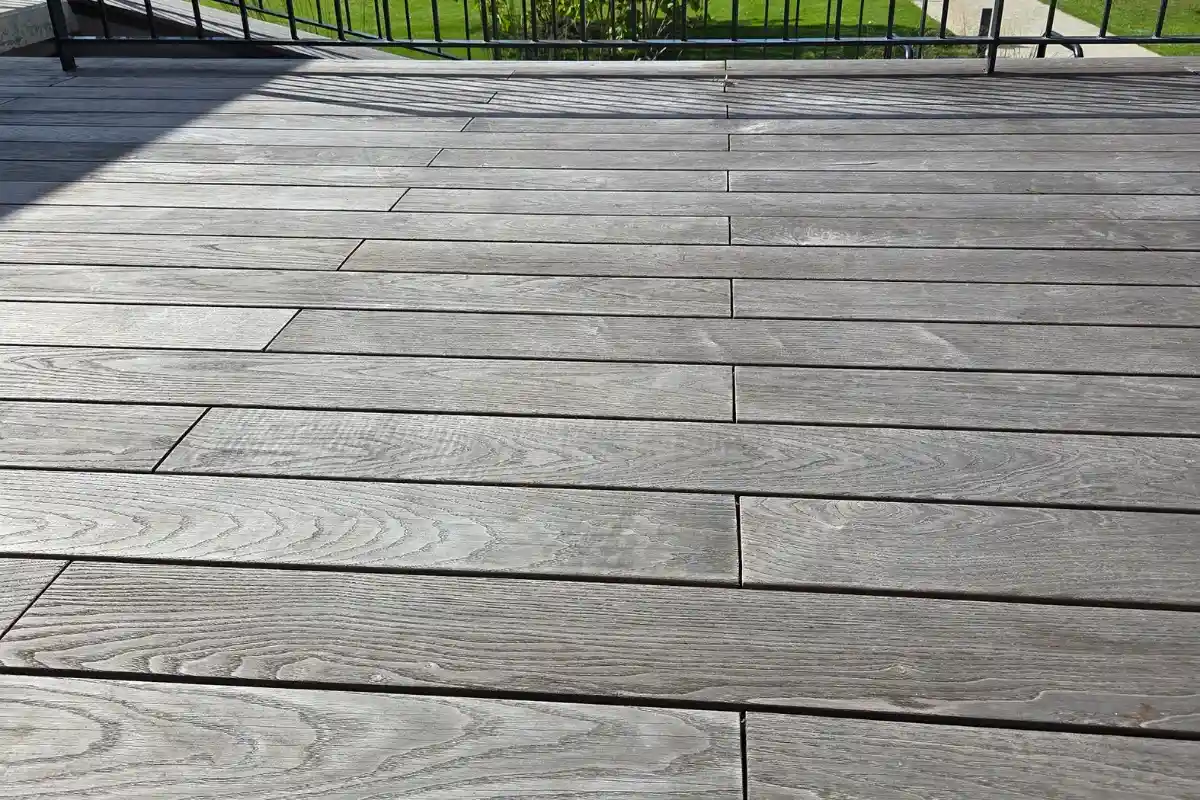
Which Thermally Modified Wood Is Best for High-Traffic Terraces?
ESSPO Wood offers thermally modified pine, spruce and ash products. Each species has different characteristics, so the choice should reflect expected foot traffic and the available budget.
Thermally modified ash is denser and harder than pine or spruce. These properties make it particularly suitable for restaurant terraces where guests frequently walk across the surface and tables and chairs are moved throughout the day.
Thermally modified pine and spruce can provide more economical alternatives, especially for larger terraces or areas with moderate foot traffic. However, their softer surfaces may show signs of mechanical wear more quickly.
It is important to remember that thermal modification improves dimensional stability but does not automatically increase the wood’s resistance to scratches or dents.
Why Does the Decking Surface Matter?
Visitor safety is a major consideration for restaurant and café terraces. Rain, spilled drinks, food residue and accumulated dirt can make a surface more slippery.
When choosing a decking profile, do not assume that grooved boards automatically provide better slip resistance. Performance depends on the surface condition, moisture, footwear and direction of movement.
For heavily used commercial terraces, it is worth checking whether the specific product has documented slip resistance test results. Depending on the project, additional slip-resistant treatments or other suitable measures may be necessary.
The Deck Substructure Must Handle Commercial Loads
A commercial terrace generally requires more careful structural planning than a small residential deck. Expected visitor numbers, furniture weight and concentrated loads should all be considered.
Substructure materials, joist spacing and fixings must be selected according to the expected loads and applicable building requirements. The distance between supports should also match the decking board thickness and the manufacturer’s installation instructions.
Drainage is equally important. Air must circulate beneath the deck, and water should not remain trapped between boards or around the supporting structure. Even high-quality thermally modified wood cannot compensate for a poorly designed substructure.
Hidden or Visible Fixings for Restaurant Decking?
Hidden fixing systems create a continuous timber surface without visible screw heads. This can be particularly appealing for restaurants where the outdoor terrace forms an important part of the overall architectural design.
However, maintenance and repair should be considered before choosing a fixing system. Individual boards may eventually need replacing, especially in heavily used areas.
Visible fixings generally provide easier access to screws, while some hidden systems allow individual boards to be removed using special tools. In either case, compatibility between the boards and fixings is essential.
How Should Thermally Modified Wood Be Maintained?
Commercial decking needs regular attention. Food and drink spills should be cleaned promptly, while dirt and debris between boards should be removed periodically.
Avoid aggressive high-pressure washing, as it can damage the wood surface. Cleaning products should be suitable for thermally modified wood and compatible with any existing surface finish.
If maintaining the original brown colour is important, plan periodic treatment with a suitable pigmented exterior wood oil. Without colour protection, thermally modified wood gradually turns grey when exposed to sunlight and weather.
Natural greying does not automatically indicate deterioration, but even untreated decking requires regular cleaning and inspection.
It is also worth scheduling more thorough maintenance outside the busiest operating periods to minimise disruption to guests and staff.
What Matters Most When Planning a Commercial Terrace?
Wood species, surface safety, structural design and maintenance should be considered together.
For restaurants and cafés with heavy foot traffic, denser timber such as thermally modified ash may offer practical advantages. Pine and spruce can also be suitable when the expected use, board specifications and budget support their selection.
A properly designed terrace with suitable decking, reliable fixings, effective drainage and planned maintenance is more likely to remain comfortable for visitors and practical for staff over the years.
Planning a restaurant or café terrace and looking for suitable thermally modified wood?
Contact ESSPO Wood. We can help you choose the right wood species and decking profile, and discuss installation and maintenance options based on your terrace size, expected foot traffic and project budget.