Tips
Thermally Modified Wood Wall and Ceiling Panels: A Natural Solution for Modern Interiors
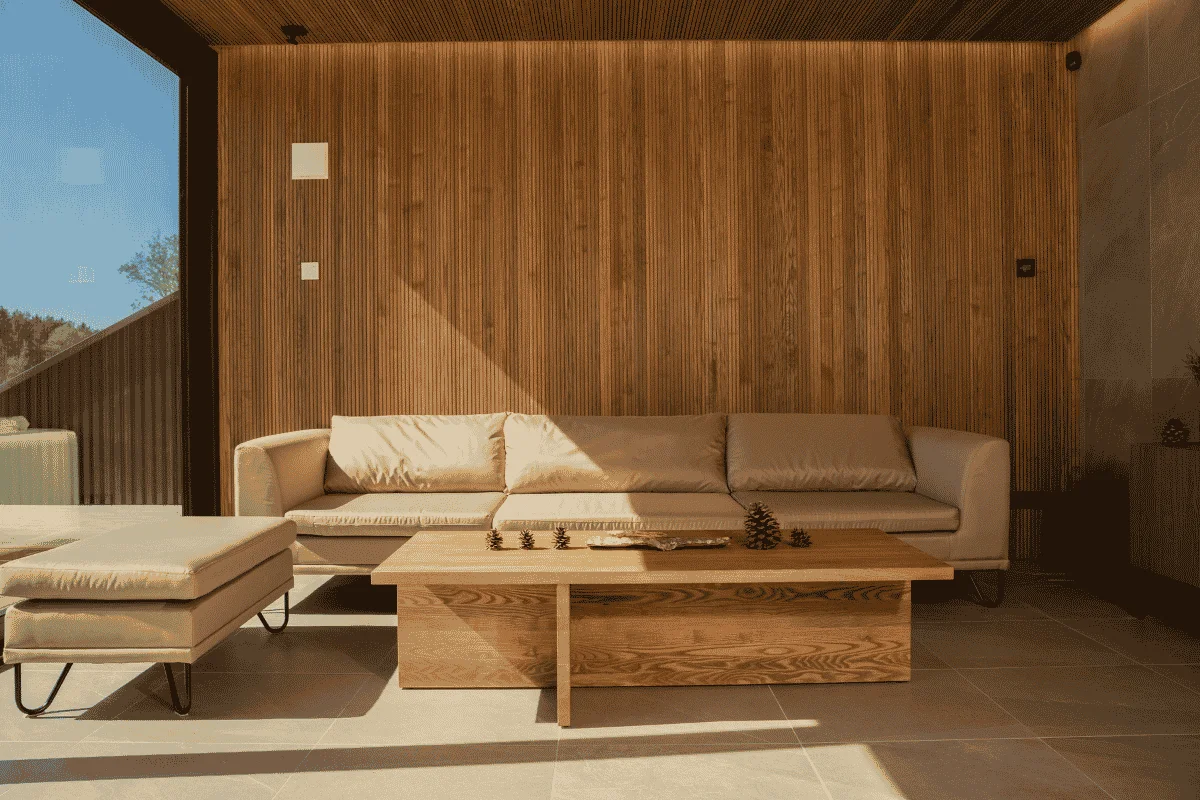
Thermally modified wood wall and ceiling panels combine the natural beauty of wood, modern design, and long-lasting durability. In contemporary interiors, people increasingly look not only for aesthetics but also for materials that create warmth, improve indoor comfort, and remain visually appealing for many years. For this reason, thermally modified timber has become one of the most popular choices for both residential and commercial interiors. Properly selected wall paneling and ceiling panels help create a harmonious, warm, and timeless interior design.
Why Is Thermally Modified Wood Ideal for Interior Applications?
Thermally modified wood is produced using a special thermal modification process in which timber is treated with high temperatures and steam without the use of chemicals. During this process, the natural properties of the wood are improved – it becomes more stable and more resistant to moisture and temperature fluctuations. Because of these characteristics, thermally treated wood is suitable not only for façades and terraces but also for interior finishing solutions.
Modern interiors increasingly value natural materials that maintain an authentic texture and timeless appearance. This is why wooden wall and ceiling panels bring more character and warmth to spaces than painted walls or synthetic finishing materials. Natural wood grain, warm tones, and subtle textures allow interiors to remain stylish and relevant for years.
Wall Paneling – More Warmth and Character
Today, wall paneling is no longer limited to traditional interiors. It is increasingly used in minimalist, Scandinavian-style, and modern spaces where wood becomes the main design accent. Such solutions add visual depth and naturalness, making interiors feel warmer and more inviting.
Vertically installed wall panels visually increase the perceived height of a room, while horizontal installation creates a sense of wider space. Because of this flexibility, wall cladding can be adapted to both compact rooms and spacious living areas or relaxation spaces.
Another important advantage is functionality. Wooden wall panels help conceal uneven wall surfaces, improve room acoustics, and create a more comfortable atmosphere in living spaces. This type of finishing is commonly chosen for bedrooms, home offices, hallways, and lounge areas where comfort and visual harmony are especially important.
For high-quality interior finishing solutions, it is worth choosing thermally modified wood wall paneling, known for its stability and natural wood aesthetics.
Ceiling Panels – A Modern and Cohesive Interior Solution
In recent years, ceiling panels have become one of the most distinctive solutions in modern interior design. Wood on ceilings creates a seamless feeling throughout the space and adds warmth to the overall atmosphere. This approach is particularly popular in Scandinavian-style homes, lofts, and modern relaxation spaces.
Thermally modified timber used for ceiling applications offers excellent dimensional stability, meaning it is less likely to deform and maintains its appearance for a longer time. This is especially important in interiors exposed to fluctuations in temperature or humidity.
Wooden ceilings also help shape the mood of a room. Lighter thermally modified spruce or pine panels maintain an airy and bright atmosphere, while darker shades add sophistication and exclusivity. Such finishes blend perfectly with both natural materials and minimalist contemporary interiors.
To create a durable and aesthetically consistent solution, it is worth choosing thermally modified wood ceiling panels.
Which Wood Species Are Most Commonly Used?
Thermally modified pine, spruce, and ash are the most commonly used wood species for interior applications. Each type of wood has its own unique appearance and character.
Thermally modified pine is valued for its warm tone and natural grain pattern, making it ideal for cosy Scandinavian-style interiors. Thermally modified spruce features a lighter shade and subtle texture that visually enlarges spaces and creates a softer atmosphere. Meanwhile, thermally modified ash stands out with its expressive grain and more luxurious appearance, making it a popular choice for premium interior projects.
Choosing the right wood species allows interior finishes to match the desired style and atmosphere of the space.
Is Thermally Modified Wood Suitable for Humid Rooms?
One of the most common questions is whether wooden wall and ceiling panels are suitable for bathrooms or kitchens. Thermally modified wood has greater resistance to moisture than untreated wood, making it suitable for more humid interiors as well. The most important factors are proper ventilation and correct installation.
Due to its stable structure, thermally modified timber reacts less to environmental changes, helping it remain durable and aesthetically appealing even in intensively used spaces.
A Long-Term Investment in Interior Quality
Natural wood never loses its relevance in interior design. Properly selected wall paneling and ceiling panels help create interiors where aesthetics, comfort, and functionality work together seamlessly. Thermally modified wood stands out for its durability, stability, and natural beauty, making it a long-term investment for both modern and classic interiors.
This type of finishing not only adds warmth and character to a home but also allows homeowners to enjoy natural materials that remain visually appealing for many years. If you are looking for a high-quality interior finishing solution, thermally modified wood wall and ceiling panels can become one of the most practical and aesthetically pleasing choices for your interior.