Tips
Why Does Wood Turn Black Outdoors and How Can You Prevent It?
Wood can turn black outdoors because of surface fungi, accumulated dirt or a reaction with iron. Black marks do not automatically mean decay, but they should not simply be covered with fresh oil. First identify the cause and check whether moisture is collecting in the affected area.
Thermally modified wood absorbs less moisture from the air and is more dimensionally stable than untreated wood of the same species. However, its surface can still develop stains. Correct installation and cleaning matter for thermally modified pine, spruce and ash. Reduced moisture absorption does not replace ventilation or regular surface care.
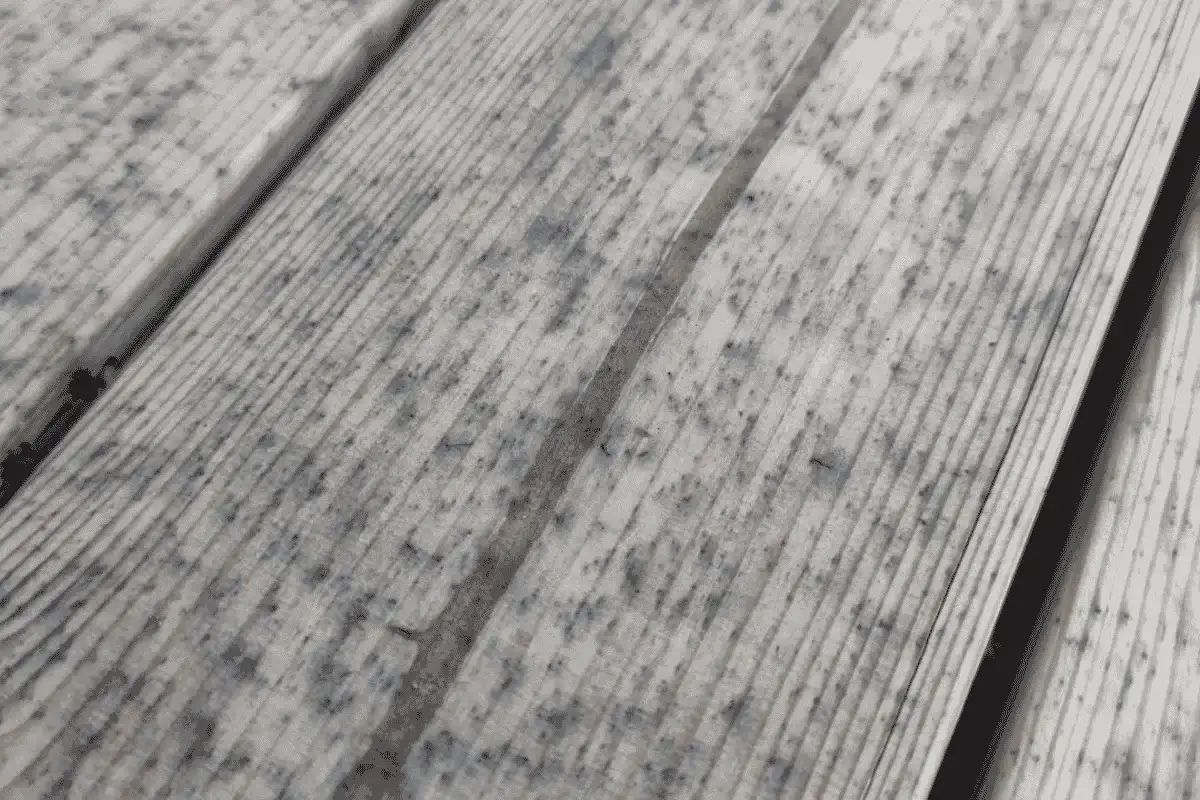
Moisture encourages mould growth
Fungi thrive on surfaces that remain damp, particularly where leaves, pollen and other debris accumulate. Black spots can also appear on thermally modified wood because organic deposits provide nutrients for surface fungi. Check beneath plant pots, around dense vegetation and behind cladding. If marks return to the same place after cleaning, look for the reason moisture is being retained.
Black marks around screws are not always mould
In damp wood, iron can react with natural compounds and leave bluish black stains. Unsuitable screws, metal cutting dust or cleaning with a wire brush can cause this. Choose stainless steel fixings appropriate for the wood and environment. Keep metalworking away from installed decking or cladding, and avoid steel wool when cleaning. If the iron source remains, stains can return after removal.
How can you distinguish black stains from natural greying?
Sunlight and moisture gradually turn uncoated wood grey. This colour change alone does not indicate deterioration. Isolated dark patches, however, may be dirt or microbial staining rather than ordinary weathering. Colour alone is not enough to identify the cause. If the wood also softens, crumbles or loses strength, ask a specialist to assess possible decay. Cosmetic cleaning will not address that problem.
Fungi that cause blue stain can also darken pine or spruce below the surface. This discolouration cannot be removed by washing alone. It differs from decay, but boards that have remained wet for a long time should be assessed before coating or installation.
How should you clean blackened wood?
Start by removing leaves and loose dirt. Wash the surface with a suitable wood cleaner, a soft brush and a gentle flow of water. Powerful pressure washing can damage the surface. Test the cleaner in an inconspicuous area first, especially on previously oiled decking or cladding.
For suspected mould, choose a cleaner intended for mould removal and compatible with the existing finish. Iron stains may require a specialist wood cleaner, such as one based on oxalic acid. Follow the manufacturer’s instructions, protect your skin and eyes, and never mix cleaners. Let the wood dry before renewing the finish.
How can you reduce the risk of marks returning?
Start with drainage and ventilation. Clear the gaps between decking boards, keep timber cladding away from the ground, check gutters and leave ventilation openings unobstructed. Raise plant pots so damp patches do not remain underneath. These measures help the wood dry and reduce the conditions that encourage recurring stains.
Prevention also starts before installation. Store boards off the ground, protected from rain but with room for air to circulate. Wet timber should not remain tightly wrapped. After installation, watch which areas dry last after rain and remove any leaves or dirt collecting there.
Does oil protect wood from blackening?
Pigmented oil helps slow colour changes caused by UV exposure, but it does not remove mould or iron stains. Apply oil only to clean, dry wood. Choose a product suitable for thermally modified wood outdoors and renew it according to the surface condition and manufacturer’s guidance. Addressing the cause of the stains matters more than applying extra oil.
Need help choosing thermally modified wood and planning its outdoor maintenance?
Contact ESSPO Wood. We can help you choose the wood species and profile, and discuss installation and maintenance options suited to your deck or facade.