Tips
Wooden Cladding for Accent Walls: How to Create a Distinctive Interior Feature
Modern interiors increasingly focus on solutions that help create a distinctive yet natural character within a space. One of the most popular ways to add warmth and visual depth to an interior is by incorporating wooden accent walls. Properly selected wooden cladding allows you to create a subtle and aesthetically refined feature that becomes an integral part of the overall interior design.
Today, accent walls are no longer limited to living rooms or bedrooms. They are increasingly integrated into home offices, hallways, relaxation spaces, and commercial interiors where a natural and harmonious atmosphere is essential. Due to their stability, durability, and natural aesthetics, thermally modified wood cladding is particularly well suited for these applications.
Those looking for long-lasting and visually refined solutions should explore thermally modified wood cladding, designed for modern interiors and natural interior architecture.
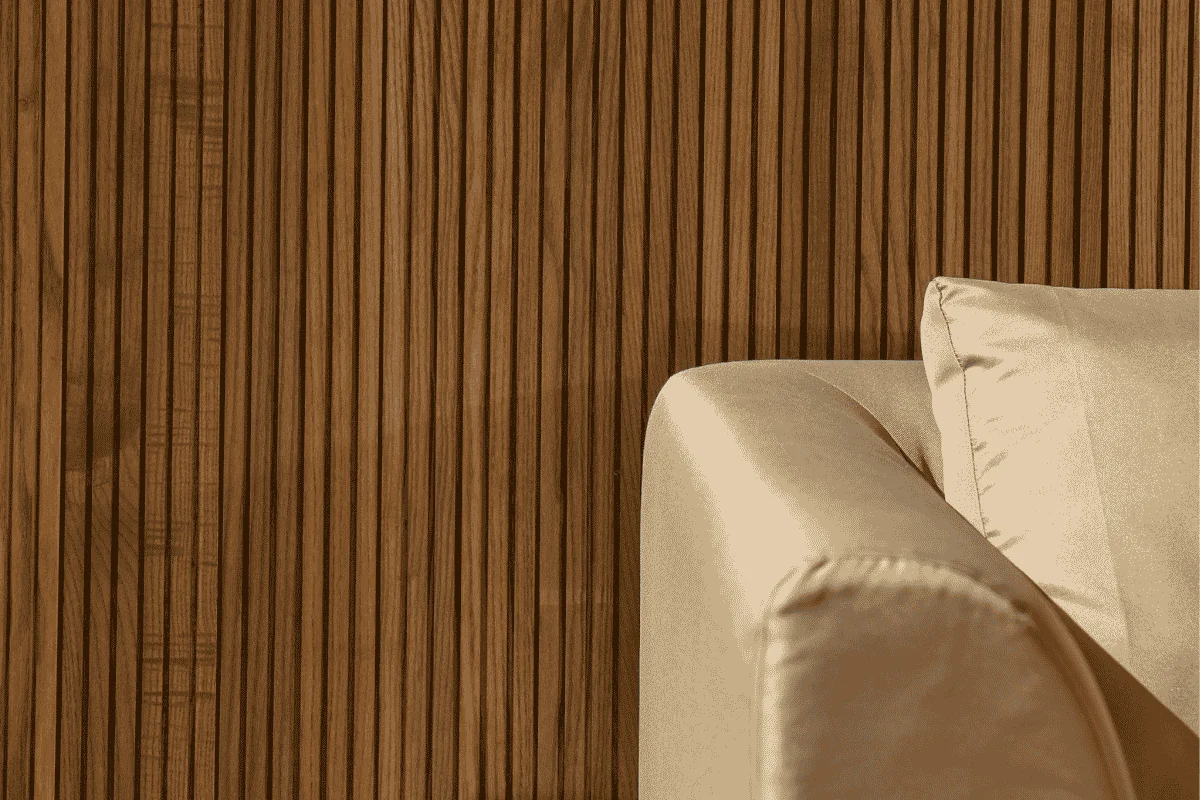
Why Do Wooden Accent Walls Remain So Popular?
Wood naturally creates a sense of warmth and comfort in interiors, something that is often missing in highly minimalist or ultra-modern spaces. Even a single wooden accent wall can completely transform the atmosphere of a room by adding more warmth, texture, and visual balance.
Unlike painted walls or synthetic finishing materials, wooden cladding features natural textures and unique grain patterns. Every board looks different, making the interior feel more authentic and visually dynamic.
Accent walls also help subtly define functional zones within a space. In living rooms, they are often used to highlight the TV area, while in bedrooms they commonly frame the headboard wall. In workspaces, wooden accent walls help create a calmer and more comfortable environment.
How Does Wooden Cladding Change the Feel of an Interior?
Wood texture and installation direction strongly influence the perception of space. Vertically installed wooden cladding visually increases room height and gives the interior a more contemporary character. Horizontal lines help create a wider and calmer spatial impression.
The choice of profile is equally important. Smooth and minimalist profiles are more commonly used in modern interiors, while deeper textures help create additional visual depth and a more natural atmosphere.
An accent wall often becomes the focal point of the interior, which is why it is important to maintain balance between wood, colours, and surrounding materials. The natural texture of thermally modified timber pairs perfectly with concrete, stone, glass, and minimalist furniture.
Why Is Thermally Modified Wood Suitable for Interior Spaces?
Thermally modified wood is produced using high temperatures and steam without chemical additives. During this process, the wood’s moisture absorption is reduced, making it more stable and less sensitive to environmental changes.
In interior applications, this is especially important for maintaining long-term aesthetics. Thermally modified wood cladding is less prone to deformation, retains more precise dimensions, and maintains its appearance even when indoor temperature or humidity levels fluctuate.
Another significant advantage is its richer natural colour tone. During thermal treatment, the wood develops a deeper shade and a more expressive texture, making accent walls look even more natural and elegant.
Which Wood Species Are Most Commonly Chosen?
For interior accent walls, thermally modified pine, spruce, and ash are the most commonly selected wood species. Each creates a different visual effect and atmosphere.
Thermally modified spruce is often used in bright, minimalist, or Scandinavian-style interiors. Its subtle texture and lighter tone help maintain a sense of openness and lightness.
Thermally modified pine is appreciated for its natural wood grain and warmer appearance. Such wooden cladding works especially well in cosy residential interiors where a natural atmosphere is important.
Meanwhile, thermally modified ash is more frequently chosen for premium projects where a more sophisticated and luxurious appearance is desired. Its expressive grain pattern adds more character and visual depth to the interior.
In Which Spaces Do Accent Walls Work Best?
Accent walls are typically used in areas where a strong visual focal point is desired. In living rooms, they are often installed behind the television or sofa area, while in bedrooms they are commonly placed behind the bed headboard.
In modern offices and commercial interiors, wooden cladding helps create a representative and natural visual identity. It also improves acoustic comfort and adds warmth to the space.
In recent years, wooden accents have increasingly been integrated into hallways, staircases, and relaxation areas where visual continuity and natural materials play an important role.
How Can You Maintain Visual Balance in the Interior?
When designing an accent wall, moderation is essential. Wood looks best when it serves as a subtle yet expressive interior feature. For this reason, most projects use a single accent wall while keeping the remaining surfaces more neutral.
Lighting also plays a significant role. Directional or warm lighting highlights the natural wood texture and enhances the cosy atmosphere of the interior.
Proper installation is equally important. Precisely installed cladding helps maintain a seamless appearance and emphasises the natural beauty of the wood.
A Natural Accent for a Long-Lasting Interior
Wooden cladding for accent walls allows you to create a distinctive yet natural interior character. Properly selected thermally modified timber adds warmth, texture, and visual depth while maintaining a modern and aesthetically balanced appearance.
Thanks to its stability, durability, and natural beauty, thermally modified wood cladding has become one of the most versatile solutions for both residential and commercial interiors. It is an investment in an interior that remains visually relevant and aesthetically appealing for many years.
Looking to Create a Distinctive Accent Wall in Your Interior?
We will help you choose thermally modified wood cladding according to your interior style, space, and desired visual result. Contact the ESSPO Wood specialists and discover a natural and long-lasting solution for your home.