Tips
Wooden Soffit Boards: How to Protect Against Moisture, Mold, and Wind
Roof soffits serve a much more important purpose than simply completing the visual appearance of a house. Properly selected soffit boards help protect the roof structure from moisture, wind, temperature fluctuations, and other environmental factors that may damage the construction over time. For this reason, increasing attention is being paid not only to the appearance of soffits but also to the durability and stability of the material itself.
One of the most reliable solutions is thermally modified wood soffit boards. Thermally treated wood absorbs less moisture, offers greater dimensional stability, and provides improved resistance to environmental conditions, helping the finish maintain both its aesthetic appearance and structural reliability for a longer time.
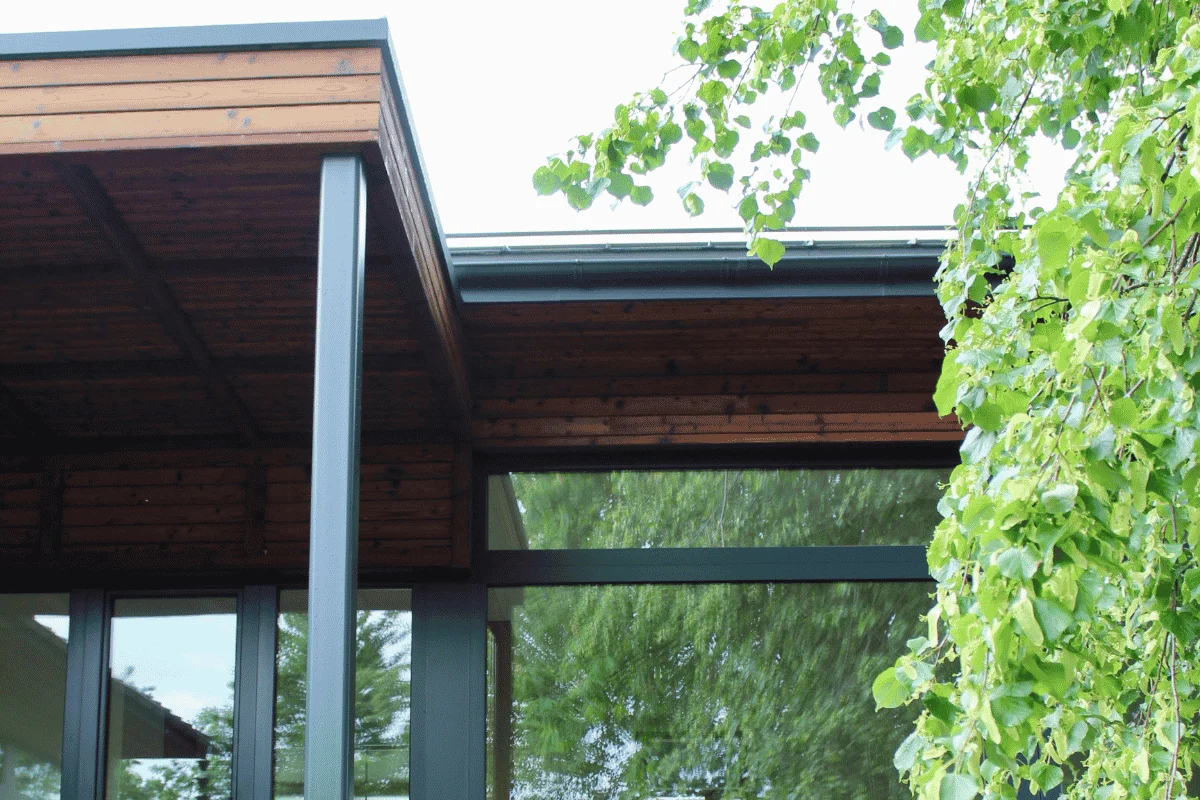
Why Are Soffit Boards an Important Part of the Roof?
Soffit boards are installed in roof overhangs and help protect structural elements from direct environmental exposure. They reduce moisture penetration into the roof structure, help regulate airflow, and protect sensitive areas from strong winds and precipitation.
Properly installed soffits contribute to a longer roof lifespan. Because this part of the structure is constantly exposed to outdoor conditions, the material must withstand moisture, temperature fluctuations, and UV exposure. This is why material selection becomes especially important.
In modern architectural projects, soffit boards also play a significant aesthetic role. They help maintain a cohesive appearance between the façade and the roof while adding visual cleanliness and architectural completeness.
How Does Moisture Affect Standard Wood?
The biggest challenge for exterior wood is constant moisture exposure. Standard timber absorbs environmental moisture, which causes it to expand, contract, and deform over time. These changes may lead to cracking, surface damage, or even structural instability.
Continuously humid conditions also increase the risk of mold and rot. This not only affects appearance but also shortens the service life of the wood.
For this reason, thermally modified timber is increasingly chosen for roof soffits. During the thermal modification process, the hygroscopic properties of the wood are reduced, meaning it absorbs significantly less moisture than untreated timber.
Advantages of Thermally Modified Wood for Soffits
Thermally modified wood is produced using high temperatures and steam without the use of chemicals. This process improves the wood’s stability and resistance to environmental impact.
Thermally modified wood soffit boards are less likely to deform, maintain their shape, and remain visually appealing even in demanding climate conditions. This is particularly important in Northern European climates, where humidity and temperature fluctuations are common throughout the year.
Another important advantage is the natural appearance of the wood. Thermally treated timber develops a richer tone and more expressive texture, making it suitable for both modern and traditional façades.
ESSPO Wood soffit boards are manufactured from thermally modified pine, spruce, or ash. Thermally modified pine and spruce are most commonly selected because of their excellent balance between durability and price, while thermally modified ash is valued in projects where a more premium appearance and higher wood density are required.
How Do Soffit Boards Help Protect Against Wind?
Properly installed soffits help protect roof structures from strong wind exposure. Open roof areas are among the most vulnerable parts of a building, which is why high-quality soffit boards help reduce airflow entering the structure.
Stable thermally modified timber, which is less sensitive to deformation, helps maintain tightness and visual consistency for longer periods. This is important not only for structural protection but also for the long-term durability of the entire building.
Ventilated soffit solutions also help ensure proper air circulation within the roof structure. This reduces the risk of moisture accumulation and contributes to better structural performance over time.
Which Wood Species Should Be Chosen for Soffits?
When selecting soffit boards, it is important to evaluate not only appearance but also performance characteristics. Roof soffits are constantly exposed to environmental conditions, so the wood must remain stable and moisture resistant.
Thermally modified spruce is often selected for lighter and more minimalist architectural projects. Thermally modified pine is appreciated for its natural grain pattern and versatile appearance. Meanwhile, thermally modified ash is more commonly used in premium projects where a more luxurious aesthetic is desired.
Proper installation is equally important. Even the highest-quality wood performs best when ventilation is ensured, suitable fastening solutions are used, and installation recommendations are followed.
A Durable Solution for Long-Term Roof Protection
Properly selected soffit boards help protect roof structures from moisture, mold, and wind exposure while maintaining the aesthetic appearance of the house. Thanks to its stability and resistance to environmental conditions, thermally modified wood has become one of the most reliable solutions for long-lasting roof finishing.
The natural appearance of wood, lower risk of deformation, and extended service life make thermally modified wood soffits a long-term investment in both building quality and aesthetics. If you are looking for a reliable solution for your project, it is worth choosing high-quality thermally modified wood soffit boards designed for demanding climate conditions.
Looking for Durable Soffit Boards for Your Project?
We will help you choose thermally modified wood soffit boards based on your house architecture, roof construction, and desired visual result. Contact ESSPO Wood specialists and discover a reliable and long-lasting solution.